As society becomes more aware of environmental concerns, sustainable choices in home design are increasingly valued. The bathroom is a key area for implementing these eco-friendly practices. It’s essential to ask, "what are eco-friendly bathroom design options?" Industry expert Sarah Thompson, an advocate for green architecture, emphasizes that "small changes in the bathroom can lead to significant environmental impacts."
In 2026, various innovative designs can enhance both style and sustainability. Consider materials like bamboo or recycled glass for countertops. Low-flow fixtures are another fantastic option, conserving water without sacrificing performance. Moreover, using non-toxic paints contributes to a healthier home environment while minimizing harm to the planet.
However, achieving a truly eco-friendly bathroom is not without its challenges. It requires careful planning, knowledge, and sometimes a willingness to rethink aesthetics. Eco-friendly choices may initially seem pricier. Yet, the long-term savings and benefits to the environment make them worth considering. Embracing sustainable practices can lead to a unique and conscientious space that reflects modern values.
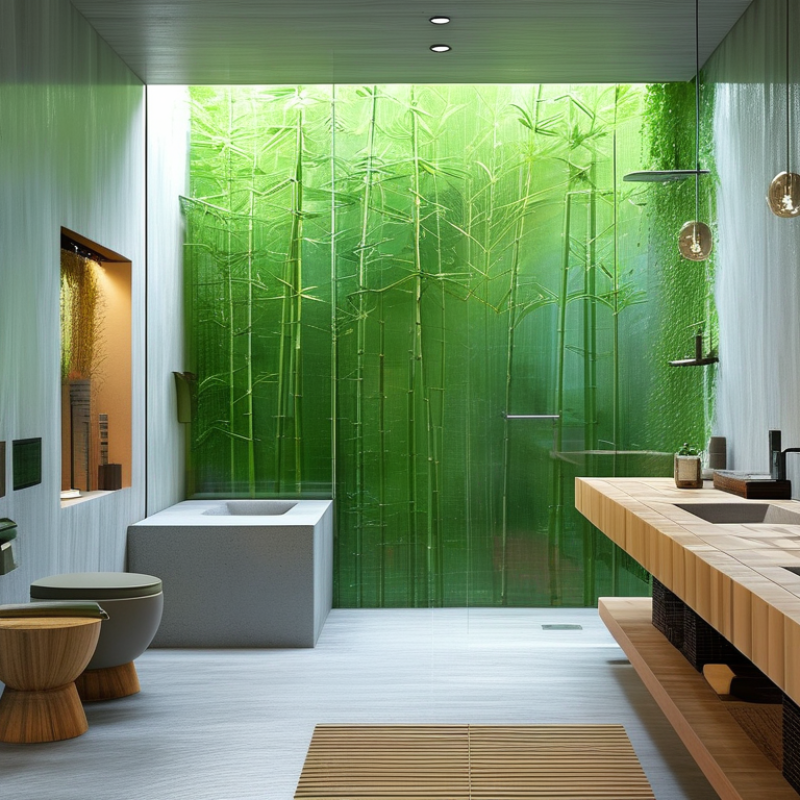
Eco-Friendly Bathroom Design: Key Trends for 2026
As we look towards 2026, eco-friendly bathroom designs are becoming increasingly important. Homeowners are seeking sustainable materials and water-saving fixtures. According to a recent report by the American Institute of Architects, 75% of architects expect green design to play a crucial role in residential projects over the next few years.
Natural materials, such as bamboo and recycled glass, are gaining popularity. These materials not only enhance aesthetics but also have a lower environmental impact.
Consider, for example, recycled tiles that mimic stone. A study from the National Kitchen & Bath Association shows that 50% of homeowners prioritize sustainable products in their bathroom renovations.
Water-efficient toilets and low-flow faucets are essential components of these designs. The EPA notes that switching to these fixtures can reduce water usage by up to 20%. However, achieving this balance of style and sustainability can be challenging. Some homeowners find it difficult to source truly eco-friendly products. Awareness of these challenges encourages deeper understanding and commitment to eco-friendly practices.
Sustainable Materials: Best Choices for Eco-Friendly Bathrooms
When considering eco-friendly bathroom designs, sustainable materials are essential. According to a 2022 report by the Environmental Protection Agency, bathrooms account for about 30% of a home's water use. This statistic emphasizes the need for environmentally conscious decisions. Utilizing materials like bamboo, recycled glass, and reclaimed wood not only reduces waste but also creates a unique aesthetic.
Many homeowners are now opting for recycled tiles, which can save energy during production. They add stunning visuals to the space while minimizing environmental impact. Additionally, choosing low-VOC paints can significantly improve indoor air quality. The American Lung Association found that reducing VOC levels can enhance overall health in households.
**Tip:** When selecting materials, always check local suppliers for sustainably sourced options.
Be mindful of the longevity of your choices too. Some eco-friendly materials may wear down faster than traditional options. Consider maintenance costs and durability when purchasing. Look for a balance between aesthetics and sustainability.
**Tip:** Invest in durable items, even if they may seem pricier initially, for long-term savings and environmental benefits.
2026 Top Eco Friendly Bathroom Design Options to Consider
| Design Element |
Sustainable Material |
Benefits |
Maintenance |
| Bamboo Flooring |
Bamboo |
Durable, Renewable, Water-Resistant |
Easy to Clean; Avoid Excess Moisture |
| Recycled Glass Tiles |
Recycled Glass |
Unique Aesthetic, Non-Toxic |
Sealing Required; Regular Cleaning |
| Low-Flow Faucets |
Metal Alloy |
Water Conservation, Cost Savings |
Minimal Maintenance |
| Reclaimed Wood Cabinets |
Reclaimed Wood |
Environmentally Friendly, Unique Character |
Occasional Oiling; Avoid Direct Moisture |
| LED Lighting |
LED Bulbs |
Energy Efficient, Long Lifespan |
Replace as Needed; Minimal Care |
Water Conservation Technologies: Innovations for Sustainable Spaces
Water conservation technologies have become increasingly vital in bathroom design. Innovative fixtures are central to this movement.
Low-flow toilets and faucets reduce water usage without sacrificing performance. They help homeowners save on water bills and support sustainability.
Smart shower systems are another interesting development. These devices monitor water temperature and flow, ensuring quick and efficient use. Some even provide feedback on water usage.
While these gadgets may seem sophisticated, they sometimes require updates or adjustments, which can be a challenge.
Yet, these advancements demand attention. Homeowners may overlook maintenance or installation benefits. Sometimes, older plumbing systems may not support modern technology effectively. A bathroom becomes a sustainable space through careful planning and mindful choices.
Investing in these innovations is a step forward, but ongoing evaluations are necessary.
Energy-Efficient Lighting Solutions for Modern Bathrooms
In modern bathroom design, energy-efficient lighting solutions play a vital role in sustainability. The U.S. Department of Energy reported that lighting accounts for about 15% of residential energy use. By opting for LED fixtures, homeowners can significantly reduce their electricity consumption. LEDs use at least 75% less energy than traditional incandescent bulbs and last 25 times longer. This shift not only saves on energy bills but also decreases greenhouse gas emissions, contributing to a more eco-friendly home.
Natural lighting is another excellent option to consider. Strategically placed windows can enhance mood and minimize the need for artificial lighting. A well-lit space feels larger and more inviting. However, it’s crucial to balance this with privacy and heat management. Incorporating features like skylights or tinted glass can help achieve this. While some may worry about installation costs, the long-term savings and environmental benefits make it a worthwhile investment.
Lastly, it's important to acknowledge that not every lighting solution is perfect. For instance, some homeowners might find LEDs produce a harsher light quality than desired. The color temperature can affect the overall ambiance—warmer lights often create a cozier feel. Experimenting with dimmers and light placement can help create the perfect atmosphere while still being energy-conscious. Adapting to these lighting changes requires reflection and adjustment to both personal preferences and sustainability goals.
Biodegradable and Recyclable Fixtures: Industry Insights for 2026
As we approach 2026, eco-friendly bathroom designs are gaining momentum. Fixtures made from biodegradable and recyclable materials are becoming essential. Reports indicate that around 75% of homeowners are considering sustainable options for their renovations. This trend aligns with the growing awareness of environmental impacts. Experts suggest that the demand for eco-conscious bathroom fixtures will rise significantly.
Using biodegradable materials ensures that bathroom products leave a minimal footprint. For instance, certain showerheads and faucets now feature innovative designs using reclaimed plastics. Additionally, ceramic and bamboo can serve as excellent sustainable alternatives. These materials not only look appealing but also reduce waste and energy consumption.
Tip: When selecting fixtures, consider their lifecycle. Choose products with end-of-life options. Also, seek manufacturers committed to sustainability. This ensures you aren't just buying a product, but also supporting a larger eco-friendly movement.
Design choices may not always be perfect. Some materials, though sustainable, may require more maintenance or have a higher upfront cost. Balancing aesthetics with sustainability is key. This reflection can lead to smarter choices in the long run.
FAQS
: Eco-friendly designs focus on sustainable materials and water-saving fixtures. Homeowners value both aesthetics and environmental impact.
Natural materials, like bamboo and recycled glass, offer beauty and lower environmental impact. They enhance the overall design.
Water-efficient toilets and faucets can reduce water usage by up to 20%. This leads to lower water bills and less waste.
It's critical to select sustainable and durable materials. Longevity impacts maintenance costs and the environment significantly.
LED lighting uses 75% less energy and lasts longer than traditional bulbs. Switching reduces electricity costs and greenhouse gas emissions.
Some find LEDs produce a harsher light quality. Adjusting color temperature and experimenting with light placement is essential for atmosphere.
Choosing low-VOC paints can enhance air quality. Reducing VOC levels contributes to a healthier living space.
Natural lighting can be achieved with strategically placed windows or skylights. This minimizes reliance on artificial lighting.
Finding truly sustainable options can be difficult. Awareness of these challenges encourages commitment to eco-friendly practices.
Investing in durable, eco-friendly items often leads to long-term savings and environmental benefits, despite initial costs.
Conclusion
In recent years, the demand for sustainable living has led to innovative approaches in home design, particularly in bathrooms. As we look toward 2026, homeowners are increasingly exploring what are eco-friendly bathroom design options that align with both personal aesthetics and environmental responsibility. Key trends include the use of sustainable materials such as bamboo and recycled glass, which not only minimize carbon footprint but also add unique beauty to bathroom spaces.
Additionally, advancements in water conservation technologies, such as smart faucets and low-flow toilets, are revolutionizing how we think about water usage. Energy-efficient lighting solutions are also gaining traction, providing bright and welcoming atmospheres while consuming less power. Finally, the integration of biodegradable and recyclable fixtures further emphasizes the commitment to eco-conscious living. By embracing these trends, homeowners can create stylish, sustainable bathrooms that reflect their values and contribute positively to the environment.

 Aqua Bathroom