When faced with the common issue of slow drainage, homeowners often wonder, "why does my bathroom sink drain slowly?" According to a recent plumbing industry report by the American Institute of Inspectors, about 30% of households experience this problem at some point. Poor drainage can lead to frustration and even costly repairs.
Expert plumber Jessica Green emphasizes, "Clogs in bathroom sinks are often caused by hair, soap residue, and toothpaste." She highlights the importance of understanding the buildup before taking action. Knowing what causes a slow drain helps in both prevention and effective cleaning.
Homeowners should be vigilant. If the drain seems sluggish, it’s a sign that something is amiss. Addressing the issue early can save time and money. Rushing into repairs without understanding the cause can lead to incomplete solutions and worsening problems. Awareness and proactive care are key in maintaining a fluid drainage system.
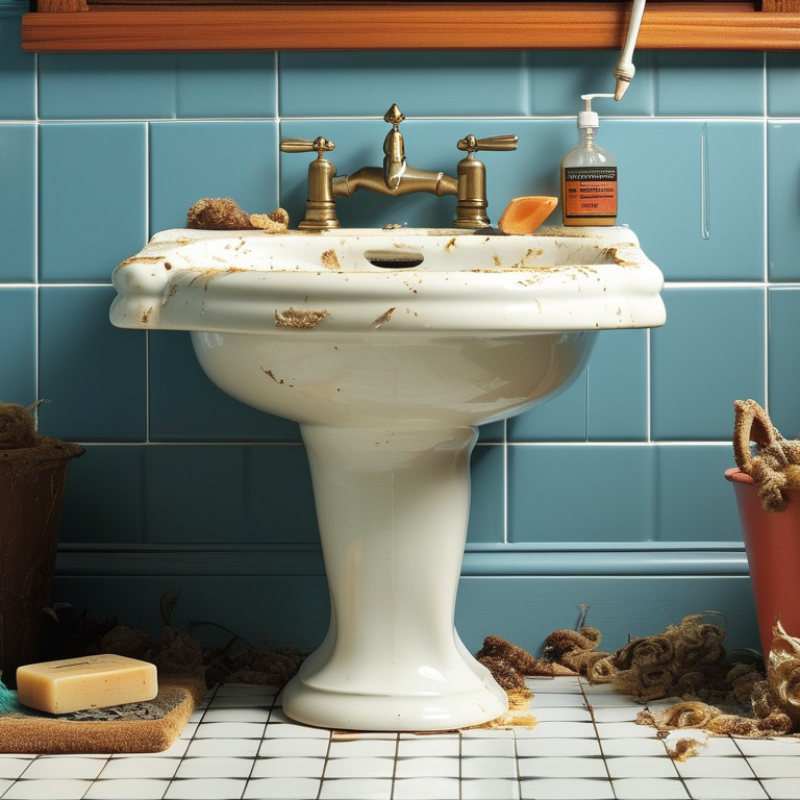
Understanding the Common Reasons for Slow Bathroom Sink Drains
A slow bathroom sink drain is a common issue that many homeowners face. It often stems from a buildup of hair, soap residue, or grime in the pipes. These materials can create clogs that restrict water flow. Over time, this can worsen, leading to even slower drainage. Regular maintenance is crucial for prevention.
Another reason for slow drainage could be a problem with the plumbing venting. If the vent is blocked, it can affect how quickly water moves through the pipes. This could create a vacuum, making it harder for the sink to drain. If you notice gurgling sounds while draining, this might signal venting issues.
If you attempt to fix these problems, be prepared for a hands-on approach. Using a plunger might help dislodge minor clogs. However, for deeper issues, you might need to disassemble the trap under the sink. Be aware that a DIY solution may not always work perfectly. Sometimes, the problem is complex and requires a plumber’s expertise.
Impact of Hair and Soap Scum Buildup on Drainage Performance
Hair and soap scum buildup can significantly impact the drainage performance of your bathroom sink. Over time, hair strands can accumulate within the pipes. This creates a tangled mess that slows down water flow. Soap scum, a result of combining soap with minerals in water, can cling to the insides of your pipes. Together, they form a solid barrier that hinders proper drainage.
Cleaning your sink regularly can help prevent these issues. Simple methods include using a drain snake to remove hair. Alternatively, a mixture of baking soda and vinegar can break down soap scum. Pouring boiling water down the drain might help loosen stubborn clogs. However, these methods require consistent effort. Sometimes, the buildup can still cause persistent drainage issues.
Ignoring slow drains can lead to more significant problems, like complete blockages. Signs of trouble include a gurgling sound from the drain or water pooling in the sink. Address these issues promptly to avert costly plumbing repairs. Regular maintenance and awareness of what goes down the drain can improve your sink's performance.
Why Does My Bathroom Sink Drain Slowly and How to Fix It? - Impact of Hair and Soap Scum Buildup on Drainage Performance
| Cause of Slow Drain |
Impact on Drainage Performance |
Recommended Fix |
Frequency of Occurrence |
| Hair Buildup |
Significantly reduces flow rate and can lead to complete blockage. |
Use a hair trap and regularly clear the drain. Manual removal recommended for larger clogs. |
Commonly every few months, depending on hair length. |
| Soap Scum Buildup |
Reduces pipe diameter, slowing water drainage. |
Clean with vinegar and baking soda monthly, or use a specialized drain cleaner. |
Monthly, or as needed based on soap usage. |
| Pipe Angling Issues |
Can impede flow and cause water to pool. |
Consult a plumber to assess and adjust pipe angles. |
Rare, usually occurs in poorly installed plumbing. |
| Foreign Objects |
Complete blockage if objects are lodged in pipes. |
Use a drain snake or call a plumber for removal. |
Occasional, depending on household habits. |
| Grease Accumulation |
Slows down water flow and creates sticky residues in pipes. |
Run hot water after greasy practices; regular use of degreasers recommended. |
Frequent, especially in shared bathrooms. |
Professional Data on Drainage Flow Rate in Residential Plumbing Systems
Drainage flow rate is crucial for an effective plumbing system. In residential settings, the standard flow rate typically ranges from 1 to 3 gallons per minute (GPM). This rate ensures that wastewater exits the sink efficiently. However, factors like pipe diameter and blockage can significantly affect this flow.
When the bathroom sink drains slowly, it can be frustrating. Often, the build-up of hair, soap, and minerals in the pipes is the culprit. Aggressive cleaning can sometimes worsen the situation if not done carefully. Employing a drain snake or a gentle solution can help clear these stubborn clogs. A timely intervention can save homeowners from costly plumbing repairs later.
Understanding drainage dynamics is vital. Plumbing systems are designed with specific flow rates in mind. Changes in these rates may indicate underlying issues, such as venting problems or pipe corrosion. Regular maintenance is essential. This awareness can facilitate timely repairs, leading to a smoother plumbing experience. Each household should reflect on their plumbing habits to promote a healthier drainage system.
Step-by-Step Guide to Effectively Clear Clogs in Sink Drains
A slow-draining bathroom sink can be an annoying problem. Often, hair, soap scum, and toothpaste buildup are the main culprits. To tackle this issue, you can easily start by removing the sink stopper. This allows you to access the drain more effectively. A simple tool like a pair of needle-nose pliers can help you remove the gunk lodged in the drain. This step is crucial for a successful unclogging.
Next, consider using a homemade solution. A mixture of baking soda and vinegar works effectively to break down minor clogs. Pour half a cup of baking soda down the drain, followed by an equal amount of vinegar. You may hear fizzing, which means the reaction is working. After about 30 minutes, flush the drain with hot water. This method is environmentally friendly and often yields good results.
Occasionally, the problem may go deeper than just the trap. It is vital to inspect the plumbing for more serious blockages. Taking apart the P-trap can be messy but sometimes necessary. Ensure you have a bucket ready to catch water. This step can reveal hidden clogs that require more attention. Regular maintenance is key. If your drain continues to be problematic, consulting a professional may provide further insight and solutions.
Preventive Measures to Maintain Optimal Bathroom Sink Drainage Performance
Bathroom sink drainage issues can often be avoided with proper maintenance. Regular cleaning is essential. Hair, soap scum, and grime accumulate over time. These materials can block the drain, causing slow drainage. A simple weekly inspection can prevent major issues down the line.
**Tips:** Use a drain strainer to catch hair and debris. Clean it regularly for optimal performance. Pour boiling water down the drain monthly to help dissolve buildup.
Sometimes, using gentle natural solutions helps. Vinegar and baking soda can break down minor clogs effectively. Pour half a cup of each into your sink. Allow it to fizz and work for 30 minutes. Rinse with hot water. This method is safe and eco-friendly, addressing minor drainage problems without hard chemicals.
When problems persist, check the trap under the sink. It may be filled with buildup. Detach it carefully for cleaning. Regular checks can aid in preventing future clogs. Drainage maintenance is often overlooked, but it can save time and hassle later. Make it a habit!
Why Does My Bathroom Sink Drain Slowly?
This bar chart illustrates the common causes of slow drainage in bathroom sinks, highlighting the percentage of each problem. Hair and soap scum are the leading contributors to poor drainage, followed by mineral buildup and food particles. Understanding these issues can help in preventing slow drainage.
Conclusion
A slow-draining bathroom sink can be a frustrating issue, prompting homeowners to wonder, "why does my bathroom sink drain slowly?" Common reasons for this problem include hair and soap scum buildup, which can significantly impede drainage performance. According to professional data, the flow rate in residential plumbing systems can be adversely affected by these obstructions, leading to clogged drains and inefficient water flow.
To address this issue, a step-by-step guide can help effectively clear clogs from sink drains. Additionally, employing preventive measures such as regular cleaning and maintenance can help maintain optimal drainage performance over time. Understanding these factors and solutions can empower homeowners to keep their bathroom sinks flowing smoothly and avoid the inconveniences associated with slow drainage.

 Aqua Bathroom