When considering a bathroom renovation, the vanity often becomes the centerpiece. What to consider before buying a bathroom vanity involves many factors beyond aesthetics. The global bathroom vanity market is projected to grow by over 6% annually, signaling its importance in home improvement projects.
Size is crucial. A vanity must fit the space while providing adequate storage. According to a recent study, over 25% of homeowners regret their vanity choice due to sizing issues. Materials play a vital role too; high-quality materials can last much longer compared to cheaper alternatives.
Budget is another aspect that requires careful thought. Many experts suggest allocating about 10-15% of your total renovation budget to the vanity. Yet, it's easy to overspend. The allure of elegant designs can cloud judgment, leading to regret later. Therefore, reflect on your needs and the functionality of the space.
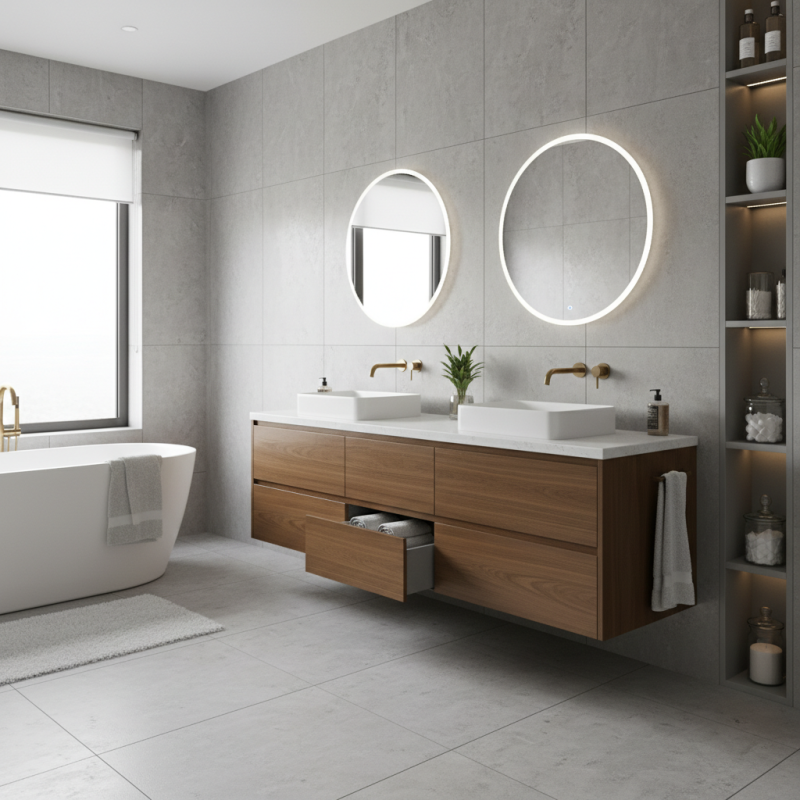
Identifying your bathroom space and design style is essential before purchasing a vanity. Size limitations can make or break your bathroom’s functionality. According to the National Kitchen and Bath Association, the average bathroom measures about 5 feet by 8 feet. In such a compact environment, choices become critical.
Consider the layout. A floating vanity can create an illusion of space, perfect for smaller bathrooms. Conversely, a more traditional vanity might better suit larger areas, offering additional storage. Take accurate measurements. The design might look appealing in the showroom, but it could overwhelm your bathroom.
Reflect on your design style. Modern aesthetics might favor sleek lines, while a rustic look may call for more ornate details. A survey by Houzz found that 47% of homeowners expressed dissatisfaction after realizing their style didn’t mesh with their existing decor. This mismatch can lead to regret. Ensure your new vanity not only fits the space but also aligns with your personal taste. It’s a reflection of you, after all.
When selecting a bathroom vanity, size and dimensions play a crucial role. A poorly sized vanity can make your space feel cramped or bare. Measure the area where you plan to install the vanity. Consider leaving enough space to move around comfortably. The standard height of a vanity is around 30 to 36 inches. This height can affect how you use the space.
Consider the width of your vanity as well. Common widths range from 24 to 72 inches. If your bathroom is small, a narrow vanity might work best. If the area is larger, double-sink vanities add style and functionality. Think about the storage needs too. A vanity that is too small may leave you struggling with clutter.
**Tips:** Always check door swings and drawer clearance. A beautiful vanity can become a hassle if you can't open it properly. Take your time to visualize how your vanity will fit into the space. Sometimes, it may feel overwhelming, and that's okay. You might need to try different layouts before finding the perfect fit. Don't rush this decision; a thoughtful choice will serve you better in the long run.
When selecting a bathroom vanity, the
material and
finish play crucial roles
in its durability. Wood is often
favored for its warmth and charm. However, it can warp if exposed to
moisture over time. A sealed finish can help, but not all finishes are
created equal. You might be drawn to a sleek look in natural wood, yet
remember the maintenance it may require.
On the other hand, options like laminate
or MDF can withstand humid conditions
better. They are easier to clean and often more affordable. However, these
materials may lack the luxurious feel of solid wood. Think about the
long-term investment. Will you mind replacing it sooner because of
wear and tear? It’s easy to overlook these factors when you focus on
aesthetics alone.
Metal and solid surface
materials are excellent for durability but come at a higher price. They resist
scratches and
stains, which is a significant
benefit in a busy bathroom. Visualize your daily routine. Can your chosen
material endure constant use and ensure longevity? Balancing beauty
with functionality is essential in your choice.
When choosing a bathroom vanity, storage needs and functional features are key considerations. Think about how you use your bathroom daily. Do you need space for toiletries? Or maybe extra storage for towels? A well-designed vanity can greatly enhance your bathroom experience.
**Tip:** Measure your space first. Knowing your dimensions helps limit your options. A large vanity may look appealing but can overwhelm a small bathroom. On the other hand, a compact unit can offer just enough storage without feeling cramped.
Consider the types of drawers and shelves. Some vanities have deep drawers for larger items, while others might focus on shallow shelves for smaller essentials. Check if the design includes soft-close features or dividers. These little details can make a big difference in everyday use.
**Tip:** Think about your habits. Are you messy or organized? Your storage should reflect your personal style. An open shelf might look stunning but requires constant tidying. A closed cabinet can hide clutter, but you might forget what’s inside. Balancing aesthetics with functionality is crucial.
| Feature | Description | Size | Storage Options |
|---|---|---|---|
| Single Sink Vanity | A compact option suitable for smaller bathrooms. | 24" - 36" | 1 cabinet, 1-2 drawers |
| Double Sink Vanity | Ideal for shared bathrooms, providing ample counter space. | 60" - 72" | 2 cabinets, 4-6 drawers |
| Floating Vanity | Offers a modern look and makes cleaning easier. | 30" - 48" | Open shelves, minimum storage |
| Corner Vanity | Maximizes space in smaller bathrooms. | 30" - 40" | 1 cabinet, limited drawers |
| Traditional Vanity | Classic design that blends with various decor styles. | 36" - 60" | 1-2 cabinets, multiple drawers |
When buying a bathroom vanity, budget plays a crucial role. It determines the options available. Setting a clear price range helps focus your choices. You might find attractive styles within that budget. Still, some vanities can be deceptively expensive with unnecessary features.
Consider material quality and craftsmanship. A lower price might mean reduced durability. Look for solid wood or strong composites. Cheaper options may lack sturdiness. They can fall apart or look worn quickly. This could lead to extra costs for repairs or replacements. A vanity's lifespan depends on this investment.
Don't overlook the importance of size and fit. Measure your space carefully before deciding on a style. Will it fit? Is it functional? A great-looking vanity can be a burden if it doesn't fit your needs. Reflect on these factors deeply. Balance beauty with practicality to find your ideal vanity.
: Think about how you use your bathroom. Do you need space for toiletries and towels?
Measuring helps limit your options. A large vanity can overwhelm a small room.
Deep drawers are good for larger items. Shallow shelves are better for smaller essentials.
Soft-close features can enhance everyday use. They reduce noise and prevent slamming.
If you're messy, consider closed cabinets. They can hide clutter and keep things organized.
Set a clear price range. This helps focus your options and avoid expensive unnecessary features.
Lower-priced options may lack durability. Solid wood or strong composites will last longer.
Ensure the vanity fits your space. A great design may not work if it doesn't serve your needs.
No, balance beauty with practicality. A stunning vanity can become a burden if it isn’t functional.
It may look out of place or make your bathroom feel cramped. Always reflect on size and fit.
When exploring what to consider before buying a bathroom vanity, it is essential to first identify your bathroom space and design style. This ensures that your choice complements the overall aesthetic of the room. Additionally, determining the right size and dimensions for your vanity is crucial to ensure functionality and that it fits well within your available space, avoiding any overcrowding.
Another important factor is the choice of materials and finishes, as these affect both durability and maintenance. Consider your storage needs and any functional features you may require to keep your bathroom organized. Lastly, evaluating your budget and price range will guide you in selecting a vanity that meets both your needs and financial considerations, ensuring a satisfactory purchase that enhances your bathroom’s appeal.

Aqua Bathroom