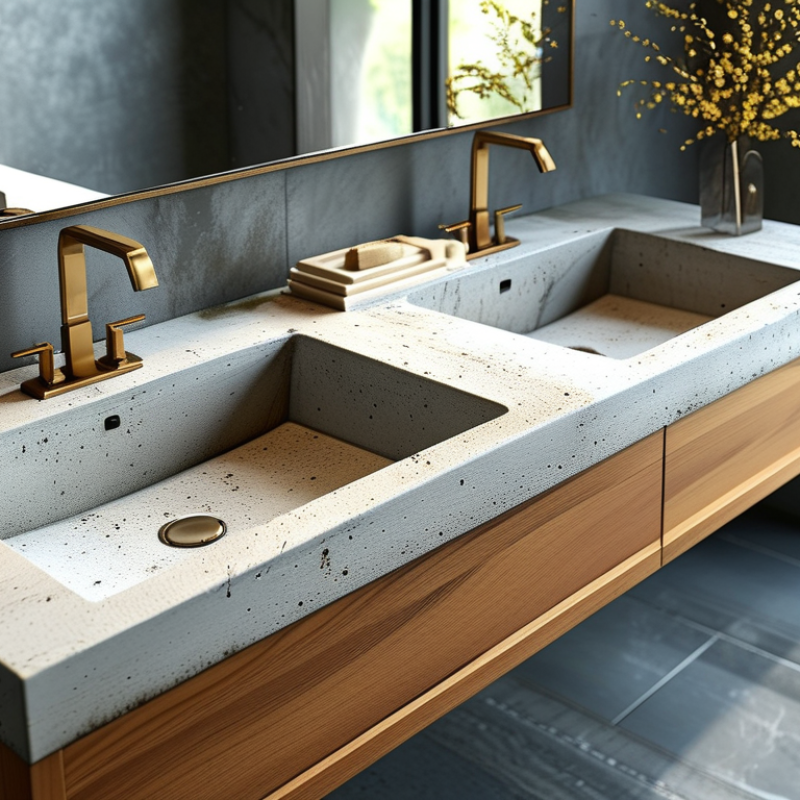
Choosing the right materials for bathroom sinks can profoundly impact both style and functionality. Homeowners often ask, "what materials are best for bathroom sinks?" The answer is complex and depends on various factors, such as budget, aesthetic preference, and durability. For instance, ceramic sinks are popular for their classic look and easy maintenance, yet they might chip over time.
On the other hand, natural stone offers unmatched beauty but can require more upkeep. Stainless steel is favored for its modern appeal, though it may scratch easily. These materials each have unique qualities that suit different needs.
When selecting a sink, balance is crucial. Reflecting on your choices, consider how well the material aligns with your bathroom’s overall design. Not all materials work for everyone, and some may need more care than expected. Making an informed decision will enhance both the appeal and longevity of your bathroom sink.
When choosing a sink for your bathroom, material matters. The right sink can enhance both functionality and aesthetics. Each material offers unique benefits and drawbacks. For example, porcelain is popular for its classic appearance but can chip easily. On the other hand, stainless steel is durable and easy to clean but might scratch over time.
Consider the impact of your choice on daily use. A heavy stone sink adds elegance but requires strong support. Acrylic is lightweight and versatile but may not withstand heat as well. Think about long-term maintenance as well. Some materials, like cast iron, require regular upkeep to maintain their finish. Reflect on how often you'll clean and care for your sink, as this will influence your satisfaction.
In the end, evaluate your lifestyle and personal preferences. A sink is a central part of your bathroom. It should meet both practical needs and aesthetic desires. Are you ready to invest time in care, or do you prefer low maintenance? This decision shapes your bathroom experience.
Choosing the right material for your bathroom sink can significantly impact both functionality and style. Common materials include porcelain, glass, and natural stone. Each has unique characteristics that suit different preferences and needs.
Porcelain sinks are popular due to their durability and ease of cleaning. They come in various colors, adding versatility to the design. However, they can chip easily if mishandled. Glass sinks offer a modern aesthetic with their sleek designs. They are also non-porous, making them resistant to stains. Yet, they require regular maintenance to keep them looking pristine. Natural stone sinks like granite or marble provide a luxurious feel. They are incredibly durable, but can be heavy and require sealing to prevent staining.
When selecting a sink material, consider your lifestyle. If you have children or a busy household, durability might be crucial. Conversely, if you seek an artistic touch, glass or stone could be ideal. Reflect on how each material aligns with your cleaning habits and aesthetic preferences.
This chart illustrates the common materials used for bathroom sinks and their characteristics based on popularity and durability. The materials considered include porcelain, stainless steel, glass, and composite.
When choosing materials for bathroom sinks, durability and ease of maintenance are key. Different materials vary significantly in longevity and care requirements. Common options include porcelain, stainless steel, and quartz. Each comes with its own set of benefits and drawbacks.
Porcelain sinks are visually appealing but can chip over time. They require gentle cleaning to maintain their shine. Stainless steel sinks are highly durable, resistant to stains and scratches. However, they can show water spots and fingerprints, demanding regular upkeep. Quartz sinks blend beauty and durability, but they may require sealing to prevent staining, posing a challenge for some homeowners.
Considering these factors is essential. Maintaining a sink shouldn’t feel like a chore. Ease of repair is another area to reflect on. Choosing a material that stands the test of time is critical. Think about how your choice will impact your daily cleaning routine and long-term satisfaction. The right material can enhance the beauty and functionality of your bathroom, making your investment worthwhile.
Choosing the right bathroom sink goes beyond function; aesthetics play a crucial role. The style and design of a sink can dramatically influence the overall vibe of your bathroom. A sleek, modern sink can give your space a contemporary feel. Meanwhile, a vintage porcelain sink can evoke a sense of nostalgia. Mixing styles can lead to a unique, personal touch.
Consider color and material as well. White sinks are classic, but colored or patterned options can open new avenues for creativity. For a bold statement, a deep vessel sink in a rich hue could work wonders. Think about how the sink complements other elements. It should mesh with your faucets, tiles, and cabinetry. Each decision impacts the space's harmony.
Remember, good design often requires reflection and iteration. It’s common to feel drawn to multiple styles. What captures your eye may not fit your space. Be mindful of scale; a large sink might overwhelm a small restroom. Conversely, a tiny sink can look lost in a spacious area. Balancing these elements creates a well-thought-out bathroom that feels just right.
| Material | Aesthetic Appeal | Durability | Maintenance | Cost |
|---|---|---|---|---|
| Ceramic | Classic and versatile finishes | High durability and resistant to stains | Easy to clean | Moderate |
| Natural Stone | Luxurious, unique textures | Very durable if properly sealed | Requires regular sealing | High |
| Stainless Steel | Modern and sleek appearance | Very durable and resistant to rust | Low maintenance | Moderate to high |
| Glass | Elegant and stylish look | Fragile, but tempered glass is strong | Can be easy, but prone to smudges | Moderate |
| Composite Materials | Variety of finishes and designs | Good durability and impact resistance | Usually easy to clean | Moderate |
When selecting materials for bathroom sinks, cost plays a critical role. Different materials have varying price points. For instance, porcelain typically ranges from $100 to $300, while natural stone options can escalate to $500 or more. A recent industry report highlights that many homeowners overlook long-term maintenance costs. These ongoing expenses can impact the overall budget significantly.
Stainless steel is often one of the most affordable and durable choices. Prices range from $50 to $200. However, it is essential to consider its susceptibility to scratches. On the other hand, glass sinks might cost between $150 and $600 depending on design intricacies. Installing glass can require additional reinforcement, adding to labor costs.
Choosing the right sink material involves understanding these financial implications. For example, while a cheaper material may save money upfront, it can lead to more expensive repairs or replacements later. Balancing initial costs with long-term value is crucial. A thorough cost analysis that incorporates maintenance is often beneficial for informed decision-making.
: Sink material affects both functionality and appearance. Choose wisely for your needs.
Common materials include porcelain, glass, acrylic, and natural stone. Each has unique traits.
Porcelain is durable but can chip easily. Handle with care to avoid damage.
Stainless steel is durable and easy to clean. However, it may scratch over time.
Some materials need regular upkeep. Consider how much time you want to invest in care.
Glass sinks are stylish and stain-resistant. They need frequent cleaning to maintain their look.
Heavy stone adds elegance but needs strong support. Ensure your installation can handle the weight.
Reflect on your lifestyle and priorities. Think about cleaning habits and aesthetic preferences.
Yes, acrylic sinks are lightweight and versatile. However, they may not resist heat well.
Natural stone is luxurious but heavy. Regular sealing is also required to prevent staining.
When choosing a bathroom sink, understanding what materials are best for bathroom sinks is crucial for both functionality and aesthetics. Common materials include porcelain, stainless steel, glass, and natural stone, each offering unique characteristics such as durability, maintenance requirements, and design versatility. For instance, porcelain provides a classic look, while stainless steel is often favored for its resilience and ease of cleaning.
Durability and maintenance play significant roles in the longevity of sink materials. Selecting a sink with appropriate durability can save costs in the long run, as more resilient materials may require less frequent replacement. Aesthetic considerations, including style and design options, will also influence the final decision, as the sink must complement the overall bathroom décor. Finally, conducting a cost analysis will help in budgeting for different materials, ensuring a balance between quality and affordability.
Aqua Bathroom