When considering bathroom renovations, the choice between wall mounted and freestanding vanities is crucial. According to the National Kitchen and Bath Association (NKBA), 70% of homeowners prioritize vanity design in their remodeling projects. This emphasizes the importance of understanding what is the difference between wall mounted and freestanding vanities.
Wall mounted vanities offer a modern, sleek look and save floor space. They create an illusion of a larger bathroom, appealing to those with limited space. Additionally, cleaning underneath these vanities is easier, which is a practical advantage. On the other hand, freestanding vanities provide a classic, traditional feel. They often come in a variety of styles and sizes, accommodating diverse design preferences.
Data shows that 60% of homeowners choose aesthetics over functionality, leading to potential dissatisfaction. It's essential to weigh both style and usability carefully. Each option has pros and cons, which can affect long-term satisfaction. Reflecting on these points will aid in making an informed decision.
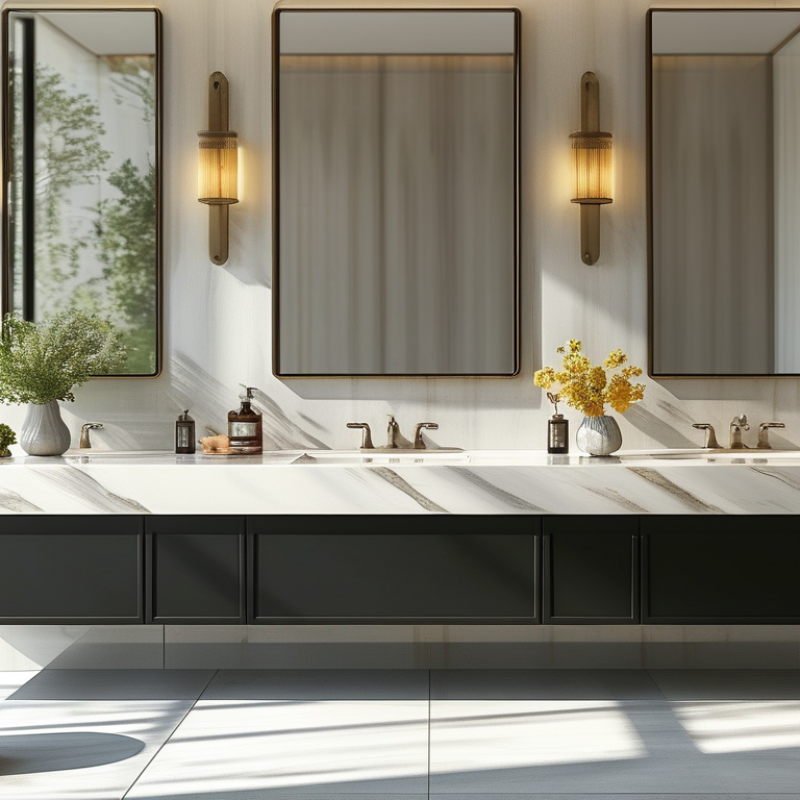
When considering the choice between wall-mounted and freestanding vanities, it’s essential to understand their distinct advantages. Wall-mounted vanities offer a sleek, modern aesthetic. They save floor space, which can make a small bathroom feel larger. According to a recent report by the National Kitchen and Bath Association, nearly 56% of designers recommend wall-mounted units for smaller spaces. These vanities can create an airy feel and facilitate easy cleaning beneath them.
On the other hand, freestanding vanities provide a classic look with ample storage space. They often come with multiple drawers and shelving options. For families, this can be a key factor in choosing a vanity. A study from the Joint Center for Housing Studies found that freestanding pieces have become increasingly popular for their functionality, especially in larger bathrooms. However, they can dominate visual space, which might not suit every design.
While both options have clear benefits, they also come with considerations. Wall-mounted vanities may require sturdy wall support, limiting installation options. Freestanding models can be more substantial, making them harder to move. Understanding the intricacies of your bathroom space will help in making an informed decision between these two styles.
Wall mounted vanities are transforming modern bathrooms with their sleek designs. They create a clean look and save space. These vanities are attached high on the wall, allowing easy floor cleaning. The area under the sink appears more open, making rooms feel larger. This feature is especially beneficial for small bathrooms where every square foot counts.
Another key benefit is customization. Wall mounted options come in various styles and sizes. You can select a design that fits your space perfectly. However, installation requires careful consideration. Not all walls can support heavy fixtures. It's vital to ensure proper support during installation. This is a detail often overlooked, leading to potential issues down the line.
Moreover, wall mounted vanities allow for better accessibility. They can be adjusted to suit the user's height and needs. This flexibility can benefit families or individuals with mobility challenges. Yet, this also raises questions about the longevity of installations. If not installed correctly, they may require frequent adjustments. It’s essential to weigh aesthetic appeal against practical use.
Freestanding vanities offer a charm that complements traditional designs beautifully. Their standalone nature allows for flexibility in bathroom layouts. You can position them wherever they fit best, allowing creativity in your space. The classic appeal enhances the overall aesthetic, creating a warm and inviting atmosphere.
One key advantage of freestanding vanities is their accessibility. You can easily move them if you decide to change your bathroom's decor. This adaptability encourages experimentation. However, it also means you need to consider plumbing and space constraints when relocating.
Tips for Choosing a Freestanding Vanity: Measure your space carefully. Ensure there's enough clearance around the vanity. Consider the height and depth to guarantee it suits your needs. Browse different styles to discover what resonates with your taste. A freestanding vanity can easily become a focal point in your traditional bathroom design, blending functionality with style.
This chart illustrates the advantages of freestanding vanities in traditional designs compared to wall-mounted vanities. The data represents the percentage of users who prefer each type based on design flexibility, installation ease, and style variety.
When selecting a vanity, it’s essential to assess your bathroom’s space and layout carefully. A wall-mounted vanity can save space and create a more open feel. It allows for easy cleaning beneath, enhancing practicality. However, it may limit storage options if your bathroom is small. Consider how much wall space is available before making a decision.
Freestanding vanities offer more storage and can act as a focal point in your bathroom. They come in various styles and sizes, fitting diverse layouts. However, these may take up more floor space, which can lead to a cramped feel. Reflect on your daily routines and storage needs when weighing options.
Lighting is another consideration. Wall-mounted units can highlight features and make the space feel expansive. Yet, a freestanding vanity may require additional lighting solutions to avoid shadows. Always measure your area before choosing a vanity. This step can prevent disappointment after installation.
When choosing between wall-mounted and freestanding vanities, budget is a critical factor. Wall-mounted vanities often cost more upfront. They typically require professional installation. According to a 2021 Home Improvement Report, the average cost for wall-mounted units is about $1,200, excluding installation fees. This may not include plumbing adjustments necessary for the installation.
Freestanding vanities, on the other hand, offer more affordable options. Prices usually start around $600. This includes many styles and sizes that fit various bathrooms. Installation is simpler and often DIY-friendly. A recent survey indicated that 63% of homeowners prefer freestanding vanities for budget-conscious renovations. While these options are less expensive, they might lack the sleek look of wall-mounted designs.
While both options have merits, it’s essential to consider long-term value. Wall-mounted vanities can maximize floor space and create an illusion of openness. Yet, freestanding ones offer versatility. You can easily relocate them. It's also crucial to think about maintenance. Wall-mounted designs can hide plumbing, but they may require more work if issues arise. Balancing cost with aesthetics and functionality is vital in making the best choice.
| Feature | Wall Mounted Vanity | Freestanding Vanity |
|---|---|---|
| Average Cost | $1,000 - $3,000 | $500 - $2,500 |
| Installation Complexity | Higher | Lower |
| Space Efficiency | Better | Moderate |
| Storage Options | Limited | More Available |
| Style Variety | Modern Designs | Traditional & Modern |
| Cleaning Ease | Easy | Moderate |
: Wall-mounted vanities offer a sleek, modern look. They save floor space, making small bathrooms feel larger.
They are attached to the wall, allowing easy cleaning beneath. This creates a more open feel in the bathroom.
Ensure your wall can support the weight. Proper installation is crucial to avoid future problems or damage.
Freestanding vanities provide ample storage. They offer multiple drawers and shelves, meeting the needs of families.
Yes, freestanding vanities can be moved. This flexibility aids in decorating, but plumbing must be managed.
Measure your space carefully. Ensure plenty of clearance around the vanity for accessibility and comfort.
They enhance traditional designs, creating a warm atmosphere. Their classic appeal adds charm to your bathroom.
Yes, they come in various styles and sizes. Customization ensures a perfect fit for your bathroom's layout.
They can be adjusted to different heights. This feature benefits users with mobility challenges for easier use.
If not installed correctly, they may need frequent adjustments. This aspect should be carefully considered before installation.
When considering a bathroom vanity, it's essential to understand what is the difference between wall mounted and freestanding vanities. Wall mounted vanities offer a sleek, modern look and can create the illusion of more space, as they are installed directly on the wall. They are particularly beneficial in smaller bathrooms, allowing for easier cleaning beneath. On the other hand, freestanding vanities provide a traditional charm and often come with ample storage space, making them ideal for larger, classic bathroom designs.
When choosing between these two options, factors such as space, layout, and budget play a crucial role. Wall mounted vanities typically involve a higher installation cost due to plumbing adjustments, while freestanding ones may offer a more budget-friendly solution. Ultimately, the choice should reflect both your aesthetic preferences and practical needs to create the perfect bathroom environment.

Aqua Bathroom