When planning a bathroom or kitchen renovation, the choice of sink is crucial. Many homeowners find themselves asking, "what is the difference between undermount and vessel sinks?" Both types offer distinct advantages and can significantly impact the overall aesthetics and functionality of your space. However, understanding these differences is essential to making an informed decision.
Undermount sinks are attached beneath the countertop. This setup provides a seamless look and makes cleaning easier. On the other hand, vessel sinks sit on top of the countertop, showcasing unique designs. They often become a focal point in any space. However, the height of vessel sinks can complicate usage for shorter individuals and might require more maintenance due to potential splashes.
Examining these options reveals important factors. Consider the style of your home. An undermount sink suits a modern aesthetic, while a vessel sink may appeal to those who favor a more traditional or artistic look. Such nuances can elevate your decision-making process and ensure the sink complements your overall design.
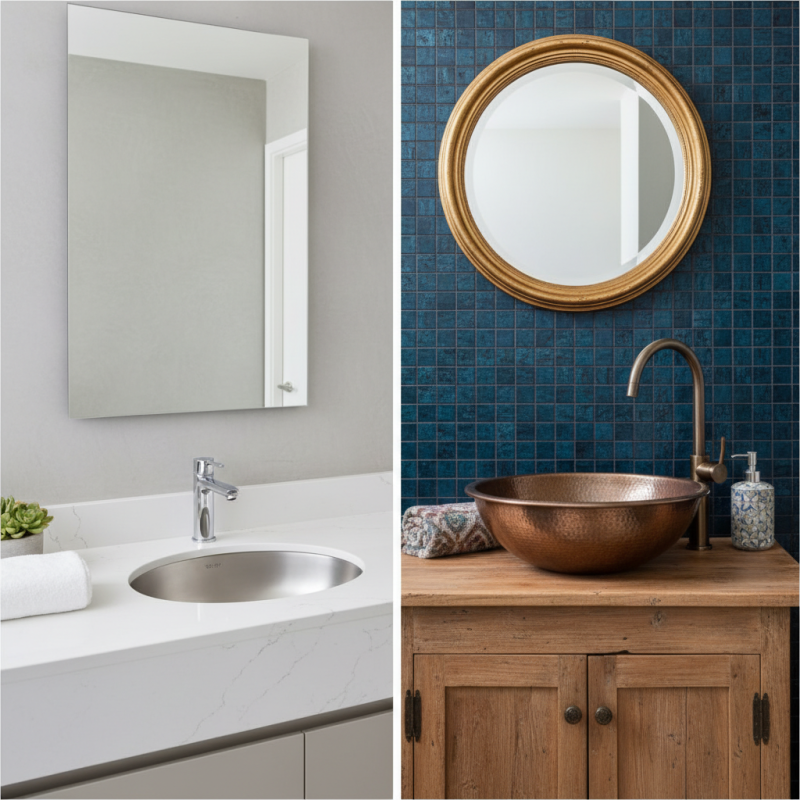
Understanding the Undermount Sink Design and Functionality
Undermount sinks offer a
sleek, modern look for any bathroom or kitchen.
They are installed beneath the countertop, creating a smooth surface. This design allows for
easy cleaning, as there are no rim edges to
trap dirt. Many homeowners appreciate this feature, as it simplifies daily maintenance. Additionally,
undermount sinks can give the illusion of a larger space. The seamless integration with the countertop
enhances the overall aesthetic.
Functionality-wise, these sinks are designed to support
heavy use. Their placement underneath the countertop
means they are less likely to be disturbed by spills. This can be an important consideration for busy kitchens.
However, there is a potential downside. If not properly installed, the adhesive can fail, leading to leaks.
Regular checks are essential to avoid this concern.
The materials used in the construction of undermount sinks vary widely.
Stainless steel,
porcelain, and
granite are common choices. Each material has its own
pros and cons. For instance, stainless steel is durable but can scratch easily. In contrast, granite offers beauty
but may require extra care. Choosing the right material involves considering both
functionality and
aesthetics.
Exploring the Characteristics of Vessel Sinks
Vessel sinks have gained popularity for their unique aesthetic appeal and design versatility. These sinks typically sit on top of the counter, creating a striking visual statement. They come in various materials, such as glass, ceramic, and metal, allowing homeowners to express their personal style. The bowl-like design can range from intricate patterns to simple forms, making them suitable for different bathroom or kitchen themes.
While vessel sinks offer many advantages, they also require careful consideration. The height of the sink can affect usability and comfort. People of different heights may find it challenging to use a vessel sink comfortably. Additionally, cleaning around the sink can be more labor-intensive than traditional options. Water splashes can accumulate around the edges, potentially leading to damage if not maintained regularly.
The installation process also presents unique challenges. Vessel sinks need a proper support structure because their weight is distributed unevenly. It’s essential to ensure the plumbing is compatible and accessible. Though they enhance the overall look of a space, the practicality of vessel sinks should not be overlooked. Balancing aesthetics and functionality is crucial in any design decision.
Comparative Analysis of Installation Techniques for Both Sink Types
Undermount and vessel sinks require different installation techniques that cater to their unique designs. Undermount sinks are attached below the countertop, providing a seamless look. This type creates a smooth surface that is easy to clean. By contrast, vessel sinks sit on top of the countertop, making them a striking focal point in any bathroom.
The installation of undermount sinks often involves precise measurements. The cutout must match the sink’s shape exactly. This requires skilled craftsmanship. On the other hand, vessel sinks are typically easier to install. They only need an appropriate countertop opening. However, hardware includes mounting rings and plumbers' putty. Improper installation can lead to gaps and leaks. A study by the National Kitchen and Bath Association indicates 20% of remodeling issues arise from faulty sink installations.
Tip: Ensure your workspace is clean before beginning the installation. This helps avoid accidental damage.
Each sink design influences the overall aesthetic. Undermount sinks offer a sleek look but may require more countertop choices. Vessel sinks allow for bold styles but can take more space. Both types present unique challenges. Understanding them is critical for a successful installation.
Tip: Always consult with a professional when in doubt. Proper advice can save you time and money.
Top 10 Differences Between Undermount and Vessel Sinks
| Feature |
Undermount Sinks |
Vessel Sinks |
| Installation Style |
Installed beneath the countertop |
Sits on top of the countertop |
| Countertop Compatibility |
Best with solid surface or stone countertops |
Compatible with various countertop materials |
| Aesthetics |
Sleek, seamless appearance |
Bold design statement |
| Cleaning |
Easier to wipe down |
Can trap dirt around the base |
| Cost |
Generally more expensive |
Typically more budget-friendly |
| Installation Time |
Longer installation time |
Quicker to install |
| Depth |
Can be more shallow |
Available in various depths |
| Support |
Requires solid support from the countertop |
Self-supporting, less countertop stress |
| Style Variety |
Limited styles |
Wide range of designs and materials |
| User Preference |
Preferred for modern, minimalist designs |
Chosen for eclectic or traditional settings |
Evaluating Maintenance and Cleaning Requirements for Each Sink
When choosing between undermount and vessel sinks, maintenance and cleaning are crucial factors. Undermount sinks often sit below the countertop, creating a seamless look. This design minimizes crevices where dirt can accumulate. Simply wipe down the surface and the sink’s rim, which makes cleaning easier overall. However, things can get trickier. If a seal fails, water can seep into the cabinet below, leading to mold growth and costly repairs.
On the other hand, vessel sinks rest on top of the counter, offering unique design options. They can be easier to access for cleaning, as there are no hard-to-reach corners. However, their exposed edges require more frequent wiping. Water splashes can create build-up on the exterior. Also, the height can make it difficult to keep the area tidy. It's essential to assess how often you’ll clean the sink and the surrounding area. Both sink types come with their own cleaning challenges. Your choice depends on your cleaning preferences and lifestyle.
Assessing Aesthetic Appeal and Design Options in Different Settings
When choosing between undermount and vessel sinks, aesthetic appeal plays a significant role. An undermount sink offers a sleek, seamless look. It can make your countertops appear larger. This style is often preferred in modern and minimalist designs. The sink sits below the countertop, creating a clean line. It's easy to clean, as debris easily sweeps into the sink.
In contrast, vessel sinks provide a bold statement. They sit above the counter, making them a focal point. Various designs are available, from ceramic to glass. They add character to both traditional and contemporary spaces. Keep in mind that the height can be an issue. Some users may find it less practical for daily use. A vessel sink may also require more maintenance for cleaning. Each option has its unique charm, and the choice often reflects personal taste.
Top 10 Differences Between Undermount and Vessel Sinks
FAQS
: Vessel sinks sit on top of the counter. They offer various materials like glass and ceramic. Their designs range from simple to intricate.
The height of vessel sinks can affect comfort. Users of different heights may struggle. Assessing comfort is essential before choosing.
Cleaning around vessel sinks can be labor-intensive. Water splashes may accumulate, leading to potential damage if not addressed regularly.
Undermount sinks attach below the countertop. Vessel sinks sit on top and require different hardware. Each type has unique challenges.
Ensure your workspace is clean to avoid damage. Check plumbing compatibility and ensure proper support structure for the sink.
Undermount sinks minimize crevices and are easier to clean. Vessel sinks may have exposed edges that require frequent wiping.
Yes, vessel sinks can require more frequent maintenance. Their design can lead to water build-up around the edges.
Undermount sinks are easier to clean overall but can have issues if the seal fails, leading to costly repairs.
Consider both style and ease of use. Think about cleaning habits and your available space. Reflect on your specific needs.
Accurate measurements are crucial. Improper installation can cause gaps and leaks, which may lead to bigger issues later.
Conclusion
The article "Top 10 Differences Between Undermount and Vessel Sinks" provides a comprehensive overview of the key distinctions between these two popular sink types. At the outset, it explains the design and functionality of undermount sinks, which are installed beneath the countertop for a seamless look and easier cleaning. In contrast, vessel sinks sit on top of the counter, bringing a unique design element to a space. The article continues with a comparative analysis of installation techniques, highlighting that undermount sinks require more complex cabinetry adjustments compared to the simpler setup of vessel sinks.
Further, it evaluates the maintenance and cleaning requirements associated with each type of sink, noting that the recessed nature of undermount sinks often makes them easier to clean, while vessel sinks may require more frequent attention due to their visibility. The aesthetic appeal of each sink is also assessed, showing how they can complement different design themes in home settings. Overall, readers will gain a clear understanding of what is the difference between undermount and vessel sinks, helping them make informed decisions for their bathroom or kitchen renovations.

 Aqua Bathroom