When considering a bathroom renovation, buyers often ask, "how durable are different bathroom vanity materials?" This question is crucial for longevity and value. Leading expert in home design, Jane Smith, emphasizes, "Choosing the right materials can make a significant difference in a vanity's lifespan."
Various materials offer unique strengths and weaknesses. For example, solid wood is robust but can warp in high humidity. Plywood offers stability but isn’t as visually appealing. On the other hand, engineered materials can withstand moisture well but might lack the desired natural feel. Each option presents its trade-offs, leading to uncertainty in decision-making.
Buyers should weigh durability against aesthetics and cost. It's tempting to select based on appearance alone. However, understanding the inherent qualities of each material can lead to informed choices. High-quality options can provide years of use, while cheaper alternatives may require replacements sooner than expected.
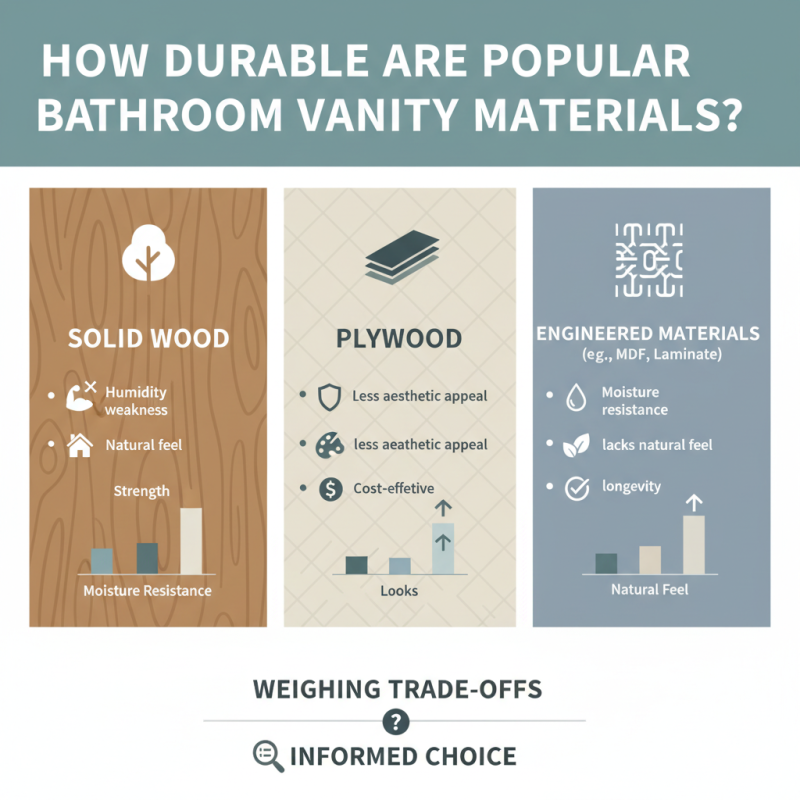
Overview of Popular Bathroom Vanity Materials
When selecting materials for bathroom vanities, durability is a key concern. Many buyers gravitate toward solid wood due to its strength, but it is not without drawbacks. While solid wood can last decades, it is susceptible to moisture damage, which is common in bathrooms. Proper sealing can help, but maintenance is critical to protect against warping and cracking.
Another popular choice is engineered quartz. This material combines resins and natural stone, creating a strong surface resistant to stains and scratches. According to the National Kitchen and Bath Association (NKBA), quartz vanities have seen increased demand over recent years due to their versatility and durability. They generally score well on durability tests, boasting a lifespan of 10 to 15 years with proper care.
Finally, laminate surfaces offer an economical option. They can simulate the appearance of wood or stone without the high cost. However, they may not endure heavy use as well as other materials. While they are resistant to moisture, laminates can chip or peel if not handled carefully. Reports indicate that more homeowners are aware of these limits and are prepared to invest in higher-quality materials for longevity.
Durability Comparison of Wood, MDF, and Plywood
When considering bathroom vanity materials, durability is a key factor for many buyers. Wood, MDF, and plywood each have distinct properties affecting their longevity. Wood offers an authentic look but can warp and swell with moisture exposure. It requires regular maintenance to sustain its appearance. Reports indicate that solid wood can last over 20 years with proper care.
MDF, or medium-density fiberboard, is engineered for stability. It resists warping better than solid wood. However, its edges can absorb water if not sealed properly. Typically, MDF units can last around 10-15 years, depending on the environment. Plywood stands out for its resilience, combining wood layers for strength. It withstands humidity more effectively than solid wood. Estimates suggest that plywood can endure up to 15-20 years.
Each material comes with its own vulnerabilities. Wood's aesthetic charm may lead to compromises in areas prone to water damage. MDF is less costly but may fall short in areas where moisture is prevalent. Plywood is robust but may not provide the same visual appeal as solid wood. Buyers must weigh these factors to make informed choices for their bathrooms.
Durability Comparison of Bathroom Vanity Materials
| Material |
Durability Rating (1-5) |
Water Resistance |
Scratch Resistance |
Cost Effectiveness |
| Wood |
4 |
Moderate |
Good |
Moderate |
| MDF |
3 |
Low |
Moderate |
High |
| Plywood |
5 |
High |
Excellent |
Moderate |
Assessing the Longevity of Stone and Quartz Vanities
When evaluating bathroom vanity materials, stone and quartz often stand out. They are popular for their aesthetic appeal and durability. Stone vanities, like granite, are known for their resilience. They can resist heat and scratches, making them a wise choice for busy bathrooms. Their natural beauty adds timeless elegance. However, some stone materials are porous. This quality can lead to staining if not properly sealed and maintained.
Quartz, on the other hand, is engineered for strength and resilience. It is non-porous, which means it is less likely to stain. Additionally, quartz offers a wide variety of colors and patterns. This flexibility in design can suit various styles. However, it’s worth noting that while quartz is durable, it can be sensitive to heat. High temperatures may cause damage, so caution is necessary.
Both materials have their pros and cons. Regular maintenance is required for stone to ensure longevity, while quartz needs care to avoid excess heat exposure. Choosing the right material depends on personal needs and bathroom use. Reflecting on these factors helps buyers make informed decisions.
Understanding the Impact of Finish and Maintenance on Durability
When selecting a bathroom vanity, finishes play a pivotal role in its durability. While some materials might seem robust initially, their performance can vary greatly over time. For example, laminate finishes are visually appealing but can scratch and peel if not maintained properly. Regular cleaning with gentle agents helps, but over time, they may lose their luster.
Understanding maintenance is crucial. Natural wood vanities require sealing to prevent moisture absorption. Without proper sealing, they can swell and warp. On the other hand, stone materials like quartz can resist moisture but need regular sealing to fend off stains. Many homeowners overlook this step, leading to unexpected wear.
Aesthetic choices often come with trade-offs. Glossy finishes might reflect light beautifully but can show fingerprints and smudges easily. Dull or matte finishes may mask those marks but can wear down quicker without proper care. Balancing beauty with practicality is key in choosing durable materials that fit your lifestyle.
Cost vs. Durability: Making Informed Selections for Vanity Materials
When choosing bathroom vanity materials, cost and durability are key factors. Buyers often face tough choices between aesthetics and practicality. A low-cost vanity may seem appealing, but it could lead to higher long-term expenses. Material selection impacts both the initial budget and future repairs.
Materials like plywood and MDF are popular due to their affordability. However, these options may not withstand moisture well. On the other hand, solid wood and natural stone are durable but come with higher price tags. It’s essential to balance immediate costs with long-term durability.
Buyers often overlook the importance of maintenance. While ceramic and quartz are low-maintenance, they can still sustain damage over time. Understanding the strengths and weaknesses of each material helps make an informed decision. Reflecting on these aspects is crucial for ensuring lasting satisfaction.
FAQS
: Stone vanities, like granite, offer resilience. They resist heat and scratches, providing a timeless elegance to bathrooms.
Some stone materials are porous. Without proper sealing, they can stain over time, requiring regular maintenance.
Quartz is engineered for strength and is non-porous. This makes it less likely to stain, offering flexible design options.
Yes, quartz can be damaged by high temperatures. Caution is needed to avoid exposing it to extreme heat.
Regular maintenance is essential for both stone and quartz. Neglecting it can lead to unexpected wear and damage.
Finishes can vary in performance. Glossy finishes show marks easily, while matte finishes may wear out faster without care.
Unsealed wood can absorb moisture, leading to swelling and warping. Proper sealing is crucial for longevity.
Balance is necessary. A low-cost option might save money initially but could incur higher long-term repair expenses.
They are low-maintenance but still need care to avoid damage over time. Understanding their needs is important.
Yes, materials like plywood may not withstand moisture. Consider future durability before making a selection.
Conclusion
This article explores how durable are different bathroom vanity materials by examining their characteristics and longevity. It provides an overview of popular materials such as wood, MDF, plywood, stone, and quartz, comparing their durability and suitability for bathroom environments. The durability of wood, MDF, and plywood is assessed, highlighting their resistance to moisture and wear, while also focusing on the longevity of stone and quartz vanities, known for their strength and aesthetic appeal.
Furthermore, the impact of finishes and regular maintenance on the durability of these materials is discussed, emphasizing the importance of care in extending the lifespan of vanities. Finally, the article addresses the cost versus durability debate, helping buyers make informed selections when considering materials for their bathroom vanities. Overall, understanding the durability of these various materials will aid consumers in choosing the best option for their needs.

 Aqua Bathroom