When it comes to designing a bathroom, one key aspect stands out: how to match bathroom vanity with mirror. Expert interior designer Sarah Johnson emphasizes that “the right mirror can enhance the beauty of your vanity and the overall space.” This statement highlights the significance of a cohesive look.
Choosing the right mirror involves considering size, style, and color. A large, ornate mirror can add glamour, while a sleek, minimalistic design promotes modern elegance. Often, people forget to align their mirror choice with the vanity style. This mismatch can disrupt the flow of the room, making it feel incomplete.
It’s essential to view your selections from different angles. Consider the lighting and room dimensions. A thoughtful approach ensures that each element complements the other. Mistakes can happen, leading to a disjointed appearance. By taking a step back, you can make adjustments that elevate your bathroom’s design. Balancing functionality and aesthetics is key when thinking about how to match bathroom vanity with mirror.
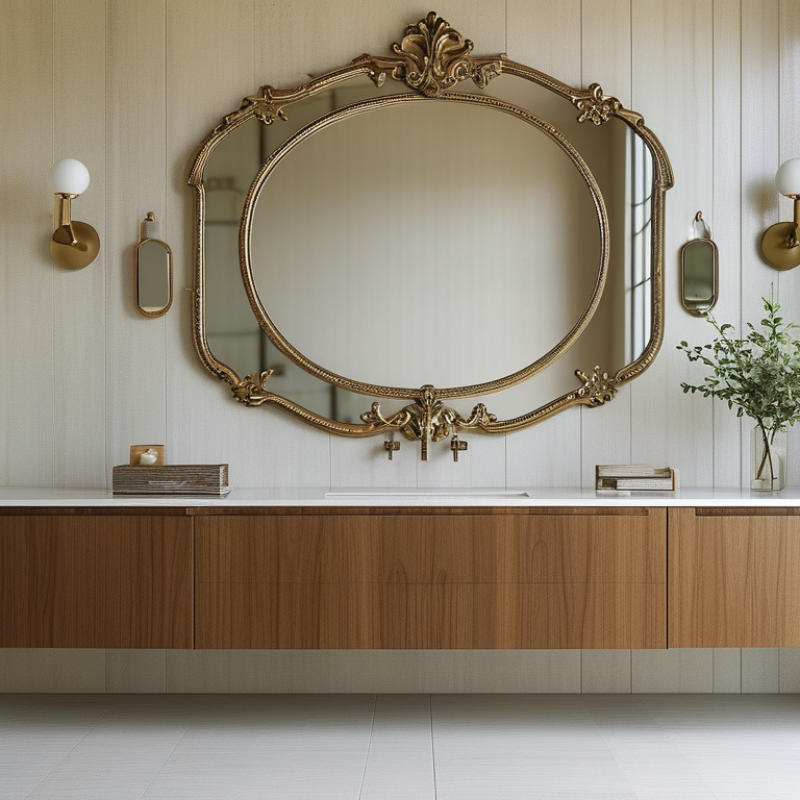
Choosing the right style for your bathroom vanity and mirror is crucial for achieving a harmonious look. The National Kitchen and Bath Association (NKBA) highlights that 70% of homeowners regret their choices due to lack of cohesive design. When selecting a vanity, consider its material and finish. Wood vanities add warmth, while metalframes offer modern elegance.
Mirrors should complement the vanity, not compete with it. A round mirror can soften sharp angles in a squared vanity. Conversely, a rectangular mirror can enhance linear designs. According to a recent industry study, matching the design styles can increase perceived value by over 30%.
However, mismatched proportions can disrupt the visual balance of the room. A large mirror over a small vanity can overwhelm the space. Similarly, intricate detailing on a mirror might clash with a minimalist vanity. Reflecting on these choices ensures a personal yet polished bathroom design. Taking time to analyze these details can lead to a more satisfying outcome.
When pairing a bathroom vanity with a mirror, size proportions are crucial. A mirror that is too small can seem lost above a large vanity. Conversely, a massive mirror over a tiny vanity can dominate the space, creating a heavy look. Aim for a mirror width that is about two-thirds the width of your vanity. This keeps the balance intact while enhancing visual appeal.
Consider the height of the mirror as well. A lower mirror might work for a minimalist look, but it may lack functionality. Install it at eye level for easy usage. Placement is key: allow enough space above the sink for practical use. A gap of five to six inches can create harmony. Don’t forget about lighting. Improperly lit mirrors can diminish your desired effect.
Reflecting on your choices is essential. You might fall into the trap of following trends. However, your unique taste should shine. An oversized mirror with ornate details may appeal today but check if it aligns with your overall design. Always prioritize functionality over aesthetics. Your bathroom should be a balance of beauty and practicality.
Choosing the right materials for your bathroom vanity and mirror is essential. Wood, metal, and glass each offer unique aesthetics and benefits. Wooden vanities bring warmth and texture to your space. They can be stained or painted to match your decor. However, wood is susceptible to moisture. This can lead to warping over time. Make sure to choose water-resistant finishes for durability.
Metal vanities are sleek and modern. They are often easier to maintain. Stainless steel, for example, resists rust and can handle humidity well. Yet, metal can feel cold and uninviting. Consider how you can soften the look with decorative elements. On the other hand, glass mirrors can create the illusion of more space. They reflect light beautifully, enhancing the overall brightness of your bathroom. However, glass requires regular cleaning and can be fragile.
In creating a cohesive look, consider pairing materials thoughtfully. A wooden vanity with a metal-framed mirror can create a striking contrast. Or, a sleek glass vanity topped with a wooden mirror can add depth. Keep in mind that each material has its pros and cons. Refine your choices based on your bathroom's style and functional needs.
Color coordination between your bathroom vanity and mirror is essential for achieving an aesthetically pleasing look. Start by identifying the dominant color in your vanity. If you have a dark wood finish, consider a mirror with a similar frame. This could create a cohesive feel. However, contrast can also be effective. A light, airy mirror can brighten up a dark vanity, adding depth and character.
Textures play a significant role too. A sleek, modern mirror may clash with a rustic vanity. Instead, you might choose a simple round mirror with a wooden frame. Choosing similar materials can create harmony. This interaction between elements can enhance the overall vibe of your space.
Think about the details. Sometimes a mirror that perfectly matches may feel monotonous. Embrace imperfection for depth. Tiny differences in shades can make your design more dynamic. Reflect on how each piece interacts with lighting. Subtle variations can lead to surprising results. Finding this balance may take time, but the journey adds character to your home.
When designing a harmonious bathroom, lighting plays a crucial role in enhancing the vanity-mirror combination. According to a study published by the American Lighting Association, proper lighting can improve functional visibility by 30%. This means that a well-lit mirror not only looks appealing but also serves its primary purpose effectively.
Creating a balanced lighting environment around the vanity and mirror requires careful consideration. Many designers recommend placing task lighting, such as sconces, on either side of the mirror. This helps minimize shadows created by overhead fixtures. The ideal distance for sconces is about 36 inches apart, ensuring an even distribution of light. Ambient lighting above the vanity can add depth but can also produce unwanted shadows when applying makeup or shaving.
Additionally, while bright LED bulbs are energy-efficient, they often emit a stark white light, which can distort colors. Warm white bulbs, ranging from 2700K to 3000K, provide a more flattering light for personal grooming. However, striking the right balance between functional light and aesthetic appeal can be challenging. Oversaturating a small space with light might make it feel stark and uninviting. Examining one's own lighting preferences often leads to discovery—what appears perfect in theory may not resonate in practice.
| Lighting Type | Description | Recommended Style | Best Use Case |
|---|---|---|---|
| Ambient Lighting | General lighting that fills the room. | Flush mount or recessed lights | Creating a warm and inviting space. |
| Task Lighting | Focused lighting for specific tasks like grooming. | Wall-mounted fixtures or sconces | Ideal for makeup application and shaving. |
| Accent Lighting | Lighting that highlights architectural features or decor. | LED strips or decorative pendant lights | Enhancing the visual appeal of the space. |
| Natural Lighting | Light coming through windows or skylights. | Sheer curtains or no window coverings | Creating a bright and spacious feel. |
: Wood, metal, and glass are popular choices. Each offers unique aesthetics and benefits.
Wooden vanities add warmth and texture. They can be stained or painted for customization.
Yes, wood is susceptible to moisture, which can cause warping over time if not properly finished.
Metal vanities are sleek and easier to maintain. However, they can feel cold and uninviting.
Glass mirrors create an illusion of space and reflect light beautifully, brightening the bathroom.
Think about contrasts and textures. A wooden vanity with a metal-framed mirror can enhance visual interest.
Matching colors between the vanity and mirror creates cohesion. Contrasting colors can add depth and character.
Simple shapes often work best. A round mirror with a wooden frame can harmonize with a rustic vanity.
Embracing slight imperfections can add depth and make the design more dynamic.
Lighting significantly affects how colors and materials interact. Subtle variations can lead to surprising results.
When considering how to match bathroom vanity with mirror, it’s essential to focus on several key aspects. First, choose a harmonious style for both the vanity and mirror to create a cohesive look in the bathroom. Next, pay attention to size proportions; the scale of the mirror should complement the vanity for a balanced appearance. Material choice also plays a crucial role, with options like wood, metal, and glass offering different aesthetics and durability.
Color coordination is vital for enhancing visual appeal; selecting complementary colors can unify the space. Finally, consider lighting; strategically positioned lighting can enhance the vanity-mirror combination, adding depth and character to the overall design. By thoughtfully addressing these elements, you can achieve a beautifully coordinated bathroom that maximizes both functionality and style.
Aqua Bathroom