When it comes to enhancing the functionality of your bathroom mirrors, the right lighting is crucial. According to expert interior designer Emily Henderson, "Good lighting can transform a bathroom and enrich your daily routine." Understanding what lighting works best with bathroom mirrors is essential for achieving optimal visibility while also creating an inviting ambiance.
Different types of lighting create varying effects. Soft, diffused lighting can help reduce harsh shadows, making it ideal for applying makeup or shaving. Conversely, brighter lighting may be necessary for detailed grooming tasks. However, many homeowners overlook this aspect, leading to frustrating experiences in front of the mirror.
Incorporating layers of lighting is often beneficial. Consider combining overhead fixtures with sconces beside the mirror. This dual approach can dramatically improve visual clarity. Yet, finding the perfect balance can sometimes feel overwhelming. It’s important to experiment and adjust until you discover what lighting truly enhances your space.
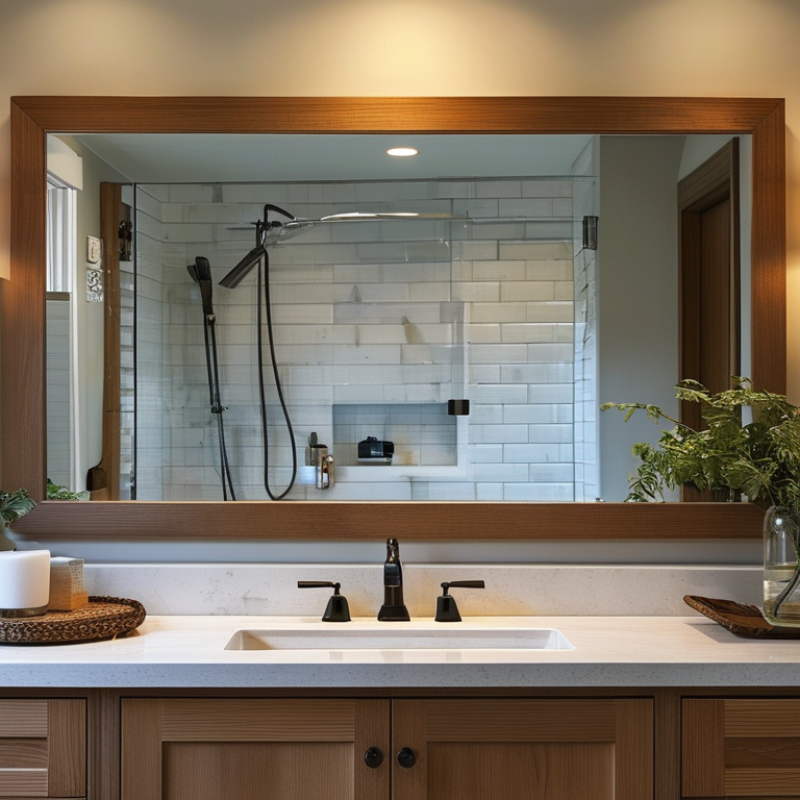
Optimal Color Temperature for Bathroom Lighting with Mirrors
When choosing lighting for bathroom mirrors, color temperature plays a critical role. The ideal range is between 3000K and 5000K. This range mimics natural daylight, ensuring that skin tones appear true-to-life. According to the Illuminating Engineering Society, light between these temperatures helps reduce shadows on the face. It allows for a clear and accurate reflection, important for tasks like applying makeup or shaving.
LED lighting fixtures are increasingly popular for their energy efficiency and longevity. Studies from the Department of Energy indicate that using LEDs can save up to 75% of energy compared to traditional incandescent bulbs. However, it’s essential to ensure these lights have a high color rendering index (CRI) of 90 or above. A high CRI means colors will be perceived much more accurately. This can help avoid any unpleasant surprises when stepping into natural light.
Despite the advantages, many bathrooms still rely on outdated lighting designs. A dimly lit mirror can lead to poor visibility. This issue often forces users to compensate, using more makeup or missing spots while shaving. Therefore, reevaluating your bathroom mirror lighting setup is essential. Aim for a balanced illumination that enhances visibility, ultimately influencing your daily routine and boosting confidence.
Importance of Placement: Positioning Lights for Maximum Visibility
When positioning lights around bathroom mirrors, placement is crucial. Ideally, lights should flank the mirror at eye level. This helps eliminate shadows on the face. For optimal visibility, consider mounting lights 65 to 70 inches above the floor. This height allows for even illumination.
Using a combination of wall sconces and overhead lights can enhance lighting quality. Wall sconces provide side lighting. They reduce shadows that can distort appearance. Overhead fixtures offer a general light source, but should not be the sole lighting option.
Consider the color temperature of your lights. A warm white hue of 2700K to 3000K can simulate natural daylight. This is essential for accurate grooming. Dim light can lead to frustration during makeup application. On the other hand, overly bright lights can create glare and discomfort. Pay attention to these details for effective lighting solutions in your bathroom.
Types of Light Fixtures: Best Options for Bathroom Mirror Illumination
Choosing the right lighting for bathroom mirrors is essential for achieving optimal visibility. Common fixtures include sconces, vanity lights, and LED strips. Each type serves a distinct purpose. Sconces mounted at eye level provide soft, even illumination, while overhead fixtures may cast shadows, leading to less desirable outcomes. According to industry reports, the ideal luminance for bathroom tasks is around 500 to 700 lumens per fixture.
When selecting fixtures, consider color temperature. A temperature of 3000K to 4000K mimics natural daylight, enhancing clarity. Cooler tones can sometimes create an unflattering appearance. It’s vital to test your chosen light in the space. Experimenting with different lighting can help reveal how colors and textures appear in various light.
To maximize effectiveness, ensure fixtures are placed within 36 inches of the mirror. Positioning is fundamental; light should not be directly above the head but rather on either side of the mirror. Over time, small adjustments can lead to significant improvements in visibility. Remember that lighting can change the perception of space. Be open to revisiting your choices as styles and personal preferences evolve.
What Lighting Works Best with Bathroom Mirrors for Optimal Visibility?
| Type of Light Fixture |
Description |
Benefits |
Ideal Placement |
| Wall Sconces |
Light fixtures mounted on the wall next to mirrors. |
Provide even lighting and reduce shadows on the face. |
At eye level, typically 65-70 inches from the floor. |
| Vanity Lights |
Light bars or fixtures installed above or alongside mirrors. |
Designed specifically for makeup application and grooming. |
Above the mirror or flanking either side. |
| Recessed Lighting |
Directional lights installed in the ceiling. |
Offers a sleek and modern look, adjustable angles help minimize shadows. |
Directly above the mirror for optimal illumination. |
| LED Strip Lights |
Flexible strips that can be mounted around mirrors. |
Provides soft, ambient lighting and enhances aesthetics. |
Around the perimeter of the mirror for a halo effect. |
Glare Reduction Techniques: Enhancing Visibility in Bathroom Settings
Choosing the right lighting for bathroom mirrors is essential for clear visibility. A study by the American Society of Interior Designers suggests that proper lighting can reduce glare by up to 30%. This is crucial in spaces where precision matters, such as grooming or applying makeup.
One effective technique is to use ambient lighting alongside task lighting. Soft, diffused overhead lighting can eliminate harsh shadows. At the same time, placing sconces at eye level helps in minimizing direct glare from the mirror. Research indicates that lighting at 60 watts per square meter can create an optimal environment.
However, many homeowners overlook the importance of light temperature. A cooler light (around 5000K) can mimic natural daylight, enhancing visibility. Yet, overly bright lights can cause discomfort. Reflecting on these choices can improve your bathroom experience. Adjustments in lighting can lead to a significant difference in how one perceives their appearance. Thus, balancing these elements fosters a better grooming environment.
Lighting Types for Optimal Visibility in Bathroom Mirrors
This chart displays the visibility ratings for different types of lighting used in bathroom mirrors. LED lighting scores the highest, followed by Halogen, Incandescent, and Fluorescent lights, highlighting the importance of choosing the right lighting for optimal visibility while grooming.
Energy Efficiency: Balancing Brightness and Sustainability in Lighting Choices
Choosing lighting for bathroom mirrors goes beyond aesthetics; it's about energy efficiency and enhancing visibility. A well-lit mirror makes daily routines easier. Yet, balancing brightness with sustainability is crucial. Traditional incandescent bulbs consume more energy and generate heat, which can drive up utility costs.
One way to enhance efficiency is by opting for LED bulbs. They consume less energy and last significantly longer than traditional options. Choose a color temperature between 3000K and 4000K for a warm yet clear light. This range effectively mimics natural daylight, improving visibility for tasks like shaving or applying makeup.
Consider layered lighting too. Combining ambient lighting with task lighting around the mirror can offer more flexibility. Fixtures like wall sconces or overhead lights should provide even illumination. Position them to minimize shadows on the face, ensuring a more flattering glow.
Installation height matters. Ensure your lights are placed at eye level, which can greatly improve your experience. Adjustments may be needed based on the height of different users, ensuring everyone has optimal visibility. Lastly, keeping the light fixtures clean enhances brightness, further improving energy efficiency. Make these small changes, and you will see a significant difference.
FAQS
: The optimal range is between 3000K and 5000K. This range mimics natural daylight.
It ensures skin tones appear true-to-life, reducing shadows for a clear reflection.
LED fixtures are energy-efficient and can save up to 75% compared to traditional bulbs.
A high color rendering index (CRI) of 90 or above means colors appear more accurate.
Dim lighting leads to poor visibility, which can result in missed spots when grooming.
Use ambient lighting with task lighting; place sconces at eye level to minimize direct glare.
Combine soft overhead lighting with sconces to create balanced illumination.
Yes, bright lights can cause discomfort and negatively affect your grooming experience.
Yes, considering the lighting setup can greatly enhance visibility and confidence while grooming.
Adjustments in light can change how one sees themselves, impacting their confidence.
Conclusion
When considering what lighting works best with bathroom mirrors, optimal color temperature plays a crucial role. A color temperature between 2700K and 3000K provides a warm, inviting glow, ensuring true color representation for grooming tasks. The placement of light fixtures is also important; positioning lights at eye level and around the mirror helps eliminate shadows and maximize visibility.
In addition, the types of light fixtures selected can significantly impact the efficiency of bathroom illumination. Options like sconces or LED strips are popular for providing even lighting. Techniques for glare reduction, such as frosted bulbs or diffused light sources, further enhance visibility. Finally, energy efficiency should not be overlooked, as balancing brightness with sustainability offers both environmental and cost benefits in lighting choices for bathroom mirrors.

 Aqua Bathroom