Top 10 Tips to Choose the Right Bathroom Sink for Your Space?

Time:2026-07-12 Author:Ethan
0%

Choosing the right bathroom sink is essential for any remodel. An ideal sink enhances both functionality and aesthetics. While it may seem straightforward, there are many factors to consider in how to choose the right bathroom sink for your space.

The size and layout of your bathroom are crucial. A large, eye-catching sink can dominate a small area, making it feel cramped. Conversely, a tiny sink in a spacious bathroom may go unnoticed. Consider the overall design style, too. Modern sinks can clash with traditional decor, leading to a disjointed look. As you explore options, think about your daily routine. A shallow sink may splash water, while a deep one can improve usability.

Additionally, materials matter. Porcelain is classic, but quartz offers durability. Each material has strengths and weaknesses. Ensure you balance style, practicality, and your budget as you refine your choices. There’s no perfect answer; the best sink for your space will depend on personal preferences and practical needs. Take your time valuing each option before making a decision.
Top 10 Tips to Choose the Right Bathroom Sink for Your Space?

Understanding Different Types of Bathroom Sinks and Their Features

Choosing the right bathroom sink can be challenging due to the variety of options available. Wall-mounted sinks offer a sleek, minimalist look, perfect for small spaces. They are easy to clean, but require sufficient plumbing work. Pedestal sinks provide classic elegance, but they lack storage space. Consider your style and needs carefully.

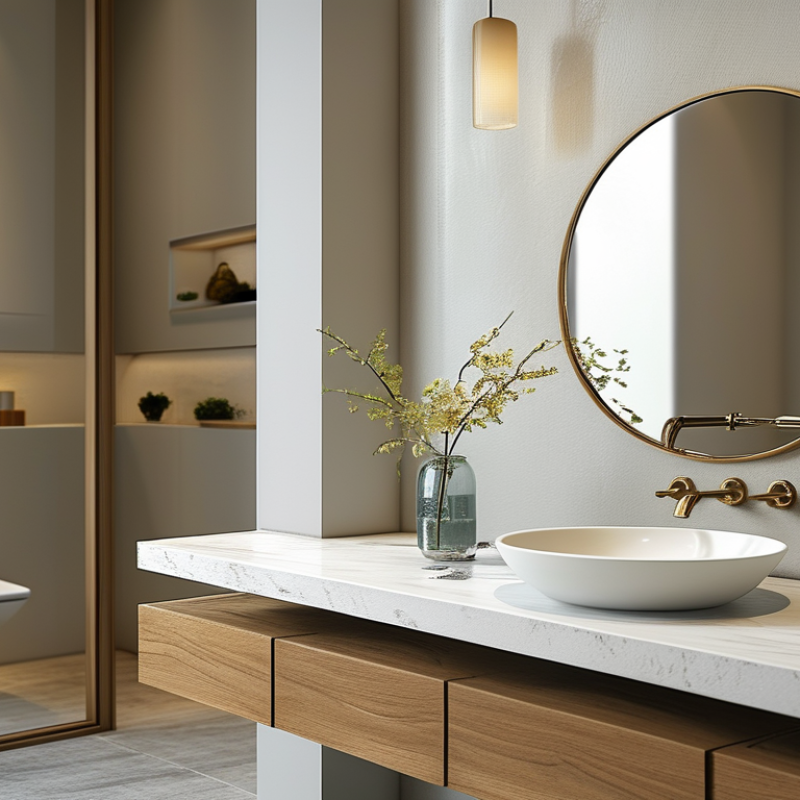
Vessel sinks sit on top of the countertop, creating a stylish focal point. They can be visually striking but often require higher countertops for comfort. Undermount sinks create a seamless look but need precise installation. Recessed or drop-in sinks are versatile and simpler to install, but they may not suit every aesthetic.

Don't forget about materials. Porcelain is durable and easy to maintain, while glass sinks add a unique touch but can be fragile. Metal sinks offer a modern feel but may require more upkeep. An informed choice hinges on both style and function. Reflect on how each type aligns with your daily routine and space limitations.

Evaluating Your Bathroom Space: Dimensions and Layout Considerations

When evaluating your bathroom space, understanding dimensions and layout is crucial. The average bathroom sink height is between 30 to 36 inches. A sink that stands too low might cause discomfort. Conversely, a sink that is too high can be impractical for daily use. Width must also be considered. Standard sinks range from 16 to 24 inches wide. However, if space is limited, a small sink can open up floor area.

Another important aspect is the layout. A survey by the National Kitchen and Bath Association shows that efficient layout improves usability. Allowing at least 30 inches of clearance in front of a sink ensures comfort. Additionally, left and right side clearance of 18 inches can enhance user experience. If your bathroom is tight, corner sinks can be a space-saver.

It’s worth reflecting on your existing setup. Is your sink too large for the space? This can make the bathroom feel cramped. Take a moment to visualize. Different sink shapes can change the perception of space. Round and oval sinks may soften hard angles. Be mindful of how your choices affect both style and functionality.

Top 10 Tips to Choose the Right Bathroom Sink for Your Space

Choosing the Right Material for Durability and Aesthetic Appeal

When it comes to selecting a bathroom sink, the choice of material plays a pivotal role in both durability and aesthetics. According to industry data, over 70% of homeowners prioritize materials that offer longevity alongside visual appeal. Common materials include porcelain, glass, and stainless steel, each having distinct properties that cater to different tastes and practical needs.

Porcelain sinks are a popular choice for their classic look and resilience against stains. They are easy to clean and maintain, making them ideal for busy households. However, they can chip or crack if not handled carefully.

Stainless steel, on the other hand, is renowned for its modern appeal and resistance to wear and tear. Reports indicate that stainless steel sinks can last up to 30 years with proper maintenance. Yet, they may show scratches over time, which might detract from their appearance.

Glass sinks offer a unique aesthetic, serving as a stunning focal point in modern bathrooms. However, they require more diligent upkeep to prevent scratches and ensure clarity. While they can enhance visual interest, their fragility can pose challenges in high-traffic areas. Balancing beauty with durability is key. Each material has its advantages and drawbacks, so understanding these can lead to a more informed decision.

Matching Sink Styles with Overall Bathroom Design Theme

Choosing the right bathroom sink is crucial for enhancing your overall design theme. A well-matched sink can elevate both style and functionality. According to a recent industry report, over 65% of homeowners prioritize aesthetics in bathroom remodels, making it essential to align sink styles with the bathroom's visual narrative.

When selecting a sink, consider its shape and material. For example, a sleek, modern glass sink complements contemporary themes, while a rustic wooden vanity suits farmhouse designs. Installing a vessel sink adds elegance in minimalist spaces. Remember, consistency in color palettes and textures is key.

Tip: Always measure your available space. Ensure that the sink you choose fits comfortably to avoid clutter. Pay attention to the faucet design too; it should harmonize with the sink's look. An industrial-style basin works well with matte black fixtures. Yet, many overlook how drainage systems can impact sink selection. Ensure the plumbing setup matches your chosen style, as alterations can be costly.

Considering Budget and Installation Costs for Your Chosen Sink

Choosing the right bathroom sink involves more than just aesthetics. It's crucial to consider your budget. Prices for sinks can vary widely. You might find something affordable or a high-end model that catches your eye. Weighing these options can be tough.

Installation costs also add to the overall expense. Hiring a professional might be necessary, especially for complex setups. Don't forget about plumbing adjustments. These can increase the project cost significantly. Having a clear estimate helps in making informed decisions.

Reflecting on your choices is essential. A beautiful sink may come at a price, but functionality is key. Think about the maintenance costs as well. Sometimes, a cheaper sink might lead to higher repair bills. It’s a balance between upfront costs and long-term value.

FAQS

: What are the benefits of wall-mounted sinks?

: Wall-mounted sinks offer a sleek look and are easy to clean. They save space, great for small bathrooms.

Do pedestal sinks provide storage?

Pedestal sinks are elegant but lack storage space. Consider this when designing your bathroom layout.

What do vessel sinks require for installation?

Vessel sinks sit atop countertops and often need higher counters for comfort. They can be visually striking.

How do undermount sinks differ from drop-in sinks?

Undermount sinks provide a seamless look but require precise installation. Drop-in sinks are easier to install.

What material is best for durability?

Porcelain is durable and easy to maintain. Stainless steel lasts long but may scratch over time.

Are glass sinks practical for busy homes?

Glass sinks add beauty but require diligent upkeep. Their fragility makes them less ideal for high-traffic areas.

How to match a sink with bathroom design?

Align your sink’s style and material with the overall theme. Consistency in color and texture is essential.

Why measure the space before choosing a sink?

Measuring ensures your chosen sink fits comfortably. Avoid choosing a sink that could clutter your bathroom.

How can faucet design impact sink selection?

Faucet design should harmonize with the sink. Industrial styles suit certain sinks, enhancing the overall look.

What is a common oversight in sink installation?

Many overlook the drainage system’s compatibility. Adjustments can lead to costly alterations in your bathroom renovation.

Conclusion

Choosing the right bathroom sink for your space involves several important considerations. First, it's essential to understand the different types of bathroom sinks available, including their unique features and how they may fit your needs. Evaluating your bathroom's dimensions and layout is crucial to ensure that the sink complements the overall design while maximizing functionality.

Next, selecting the appropriate material can enhance both durability and aesthetic appeal, making a significant difference in the long run. It's also important to match the sink style with your bathroom's design theme to create a cohesive look. Lastly, budget and installation costs should be carefully considered to ensure that your choice aligns with your financial plans. By following these guidelines, you can effectively learn how to choose the right bathroom sink for your space, transforming your bathroom into a stylish and functional area.

Ethan

Ethan

Ethan is a seasoned marketing professional with a deep expertise in our company's innovative product line. With a passion for sharing knowledge and insights, he takes the lead in regularly updating our corporate blog, where he explores industry trends, product features, and effective marketing......