In humid bathroom environments, selecting the right materials is crucial. According to a 2022 report by the Bathroom Materials Institute, about 40% of bathroom mold issues stem from improper material choices. Experts suggest prioritizing durability and moisture resistance. Dr. Emily Tanner, a leading authority on building materials, states, "Choosing the right materials can significantly reduce the risk of mold and enhance longevity."
When addressing the question of "what are the best materials for humid bathroom environments," it's essential to consider various options. Moisture-resistant materials like porcelain tiles and fiberglass are popular for their durability. Other materials, such as quartz and marine-grade plywood, also hold up well against humidity.
However, not all materials are foolproof. Regular maintenance and the right ventilation are vital, even for the best options. Homeowners often overlook the importance of ongoing care. Thoughtful choices can lead to a more resilient bathroom that withstands the challenges of humidity.
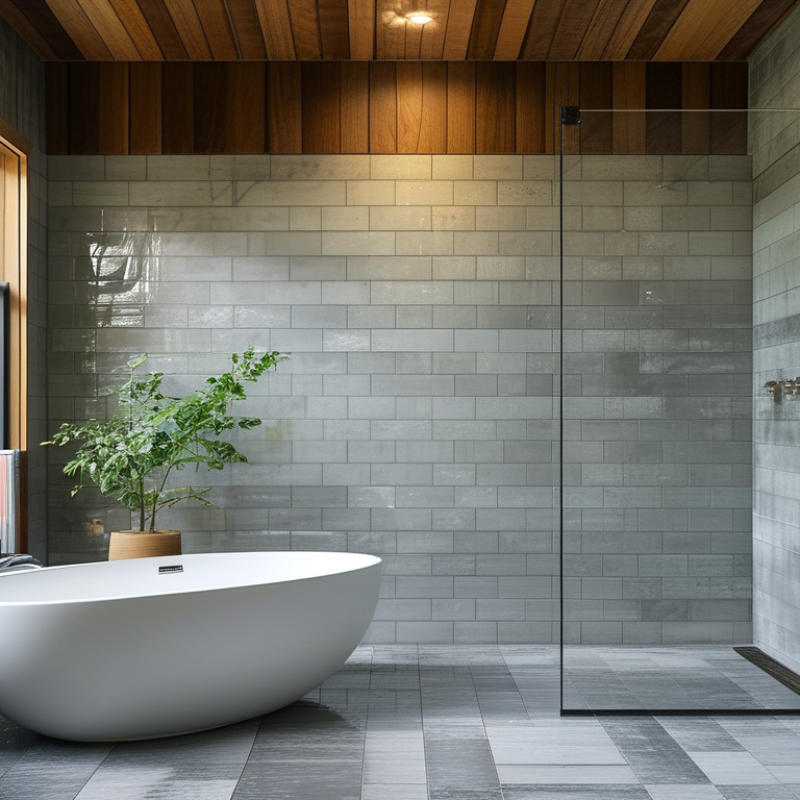
Bathrooms are unique spaces where humidity levels can soar. Understanding humidity is crucial for selecting the right materials and preventing damage. According to the Environmental Protection Agency (EPA), indoor humidity should ideally be between 30% and 50%. Excess humidity can lead to mold growth and structural issues.
Mold thrives in damp environments. A study from the Journal of Environmental Health highlights that 30% of homes have mold in bathrooms. It points out that keeping humidity in check can significantly reduce health risks. Proper ventilation is vital but not always sufficient. Materials play an essential role in managing moisture effectively. Choosing water-resistant materials is a practical approach.
Surfaces like ceramic tile, vinyl, and specially treated wood withstand humidity better. Yet, it's not only about selection. Even the best materials can suffer without proper care. Regular maintenance is necessary. Homeowners often overlook the importance of air circulation. Installing exhaust fans can help but may not completely resolve the issue. Careful choices and vigilance are key to a healthy bathroom environment.
In humid bathroom environments, selecting durable materials is crucial. The best materials resist moisture and maintain their appearance over time. Tiles, for example, are popular due to their waterproof quality and easy maintenance. They come in various styles, making them visually appealing. However, improper installation can lead to grout issues, causing potential mold growth. Regular maintenance is essential to avoid these pitfalls.
Another option is acrylic, known for its resilience. It is lightweight and resistant to mold and mildew. This material can be easily cleaned, but it may scratch more easily than tiles. This requires users to be cautious. Laminates can also work well, provided they are high-quality and sealed properly. They offer a variety of designs but may not last as long in extreme humidity.
Natural stones like granite or marble add elegance to bathrooms. These materials are durable but require sealing to prevent water damage. If neglected, they can develop stains or cracks. Understanding these characteristics helps homeowners make informed choices. Each material, while durable, has its strengths and weaknesses. Balancing aesthetics with functionality is key to a long-lasting bathroom.
In humid bathroom environments, choosing the right materials is crucial to prevent mold growth. Moisture can lead to serious health issues, making it essential to select materials that resist humidity effectively. According to a report by the Environmental Protection Agency, nearly 30% of indoor air quality issues stem from high humidity levels and mold exposure.
One highly effective option is porcelain tiles. They are dense and impervious to water, making them an ideal choice. Additionally, vinyl flooring is another great ally against moisture. This type of floor is not only water-resistant but also affordable and easy to install. A report from Remodeling Magazine highlights that vinyl has become increasingly popular, especially in humid areas, due to its durability and low maintenance needs.
Another noteworthy material is fiberglass. Often used in bathtubs and showers, it is resistant to mold and mildew. Studies show that fiberglass's non-porous nature can block moisture infiltration effectively. However, it’s important to regularly inspect caulk and seals. Neglected areas can develop mold, indicating that no material is entirely “foolproof.” Finally, consider moisture-resistant drywall. Made to withstand damp conditions, it can prevent mold growth when installed correctly. Yet, even the best materials require diligence to ensure long-term effectiveness in humid environments.
| Material | Humidity Resistance | Mold Resistance | Durability | Maintenance |
|---|---|---|---|---|
| Porcelain Tile | Excellent | High | Very Durable | Low |
| Vinyl Flooring | Good | Moderate | Moderately Durable | Low |
| Quartz Countertops | Excellent | High | Very Durable | Minimal |
| Fiberglass | Good | High | Durable | Low |
| Acrylic | Good | Moderate | Moderately Durable | Moderate |
When choosing materials for bathrooms, consider their resilience to humidity. Some options, like ceramic tiles, withstand moisture well. They are easy to clean and come in various designs. However, improper installation can lead to trapped moisture behind the tiles, which may cause mold. Regular inspection is key to preventing this issue.
Another great option is solid surface materials. They are non-porous and can handle humid conditions without degrading. Yet, these surfaces may scratch or dent over time. Use gentle cleaning tools to extend their life. Pay attention to high-traffic areas, as they often show wear first.
Lastly, don’t overlook the importance of ventilation. Proper airflow can significantly prolong the lifespan of materials. Install extractor fans or open windows after showers to reduce humidity levels. Neglecting moisture can lead to structural damage and health concerns. Regular maintenance is crucial for a safe and pleasant bathroom environment.
Choosing the right materials for humid bathroom environments is crucial for longevity and cost-effectiveness. Some popular options include
ceramic tiles, vinyl flooring, and moisture-resistant paint. Each material varies in cost and durability, making it important to analyze their long-term benefits.
For instance, ceramic tiles can withstand moisture but come at a higher initial cost. In contrast, vinyl flooring is more budget-friendly but may wear down quicker in humid conditions.
When selecting materials, consider installation costs and maintenance needs. Ceramic tiles might require professional installation, increasing initial expenses. However, their longevity often offsets this cost. Vinyl can be DIY-friendly, saving money upfront but requires potential replacements sooner.
Tip: Always weigh the initial investment against durability. Sometimes spending more now saves money later. Additionally, think about climate control systems. A good ventilation system can significantly extend the life of bathroom materials. Prioritize this in your planning to minimize potential issues. Do not overlook the importance of periodic inspections and maintenance practices. Regular upkeep can prolong the lifespan of even the most durable choices.
: Indoor humidity should ideally be between 30% and 50% to prevent mold and damage.
Proper ventilation helps control humidity levels and reduces the risk of mold growth.
Water-resistant materials like ceramic tiles and solid surfaces are ideal as they handle humidity well.
Yes, even the best materials can suffer if not properly maintained and cared for regularly.
Proper installation and regular inspections can help prevent moisture from getting trapped behind tiles.
Use gentle cleaning tools and pay attention to high-traffic areas to extend their life.
Yes, investing in durable materials can save money in replacements and repairs over time.
Install extractor fans or open windows after showers to help reduce humidity levels.
Neglected moisture can lead to structural damage and health concerns over time.
Regular maintenance is crucial as it prolongs the lifespan of materials and prevents potential issues.
In exploring what are the best materials for humid bathroom environments, it is essential to first understand the characteristics of high humidity that commonly occur in these spaces. Durable bathroom materials should possess resistance to moisture, mold, and mildew, ensuring longevity and functionality even in such challenging conditions. The article highlights the top five materials that excel in these aspects, providing reliable options for homeowners and designers.
Additionally, practical tips for maintaining these materials are discussed, emphasizing the importance of regular cleaning and care to extend their lifespan. A comparative analysis of cost and longevity factors is also included, helping readers make informed decisions regarding their selections. By understanding these elements, homeowners can create a bathroom that remains beautiful and functional, while effectively handling the inherent humidity of the environment.

Aqua Bathroom